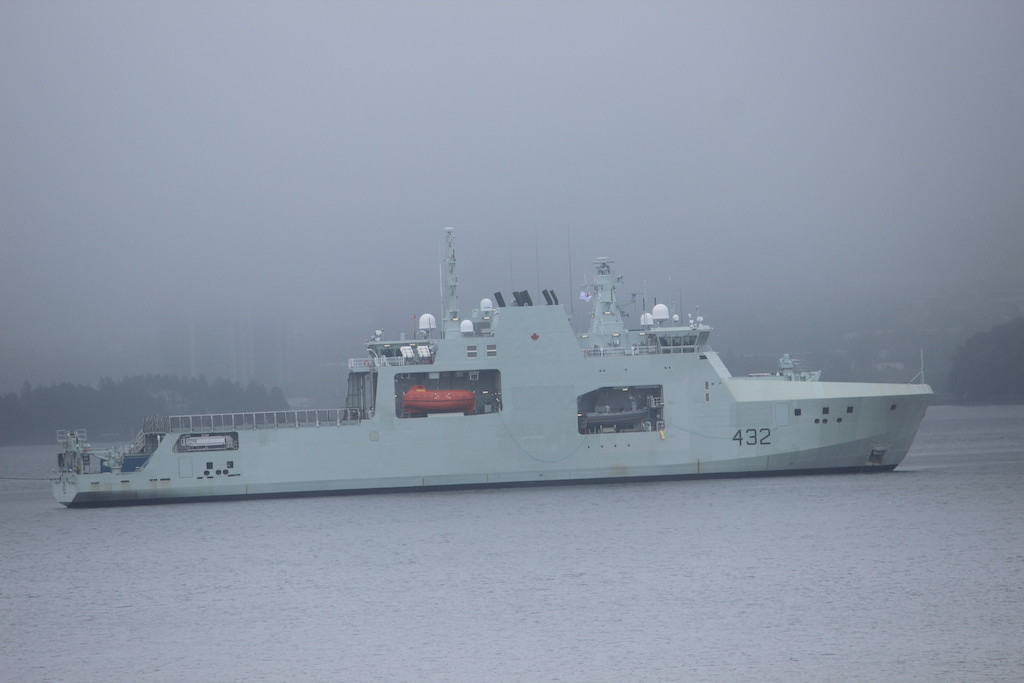
AOPS #3, The Future HMCS Max Bernays began sea trials this morning in the basin. The ship should be heading out to sea later today.


AOPS #3, The Future HMCS Max Bernays began sea trials this morning in the basin. The ship should be heading out to sea later today.
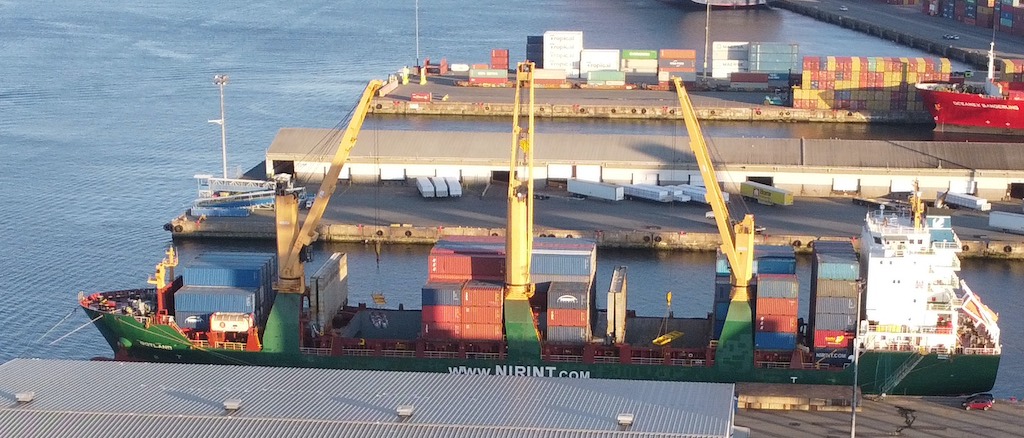
Icelandic Shipping company Nirint is delivering another load of Nickel Sulphide “mud” at pier 27. The product is toxic when mixed with water, so must be stored in a transit shed.
The Nickle is mined in Cuba, Loaded into Bags, and shipped to Halifax in the holds of Nirint Vessels.
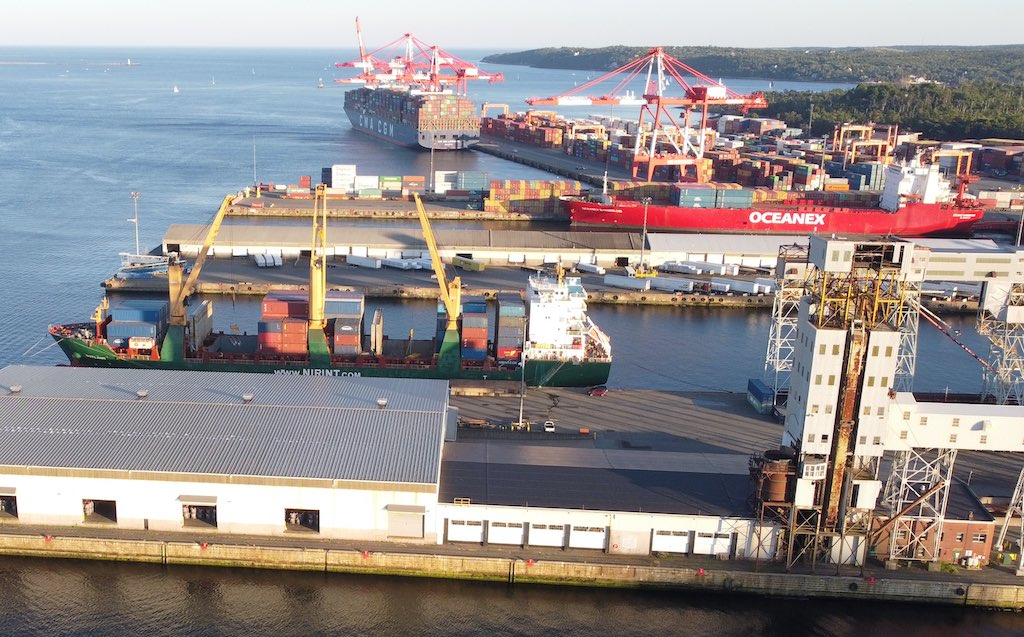
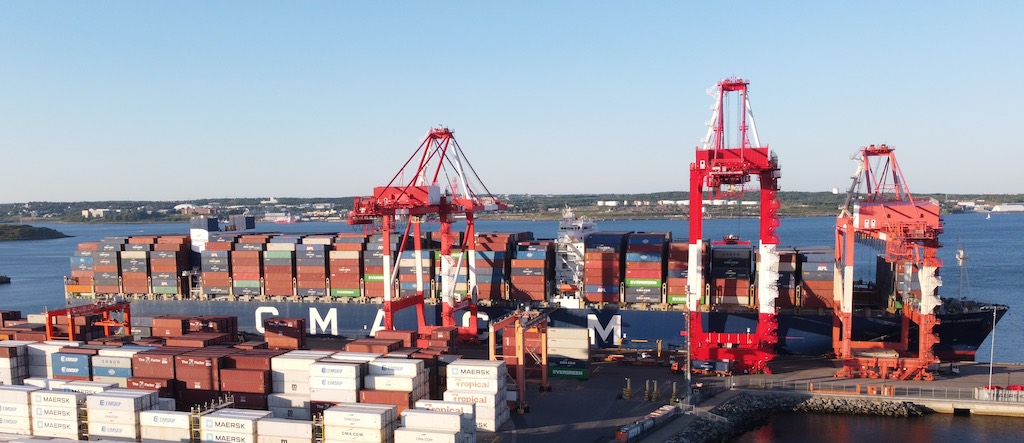
Todays call at the Atlantic Hub is is by the 13,800teu CMA CGM Laperouse. CMA-CGM’s ships normally use pier 41, however it was occupied this morning. The ship is scheduled to sail at 0330 overnight.
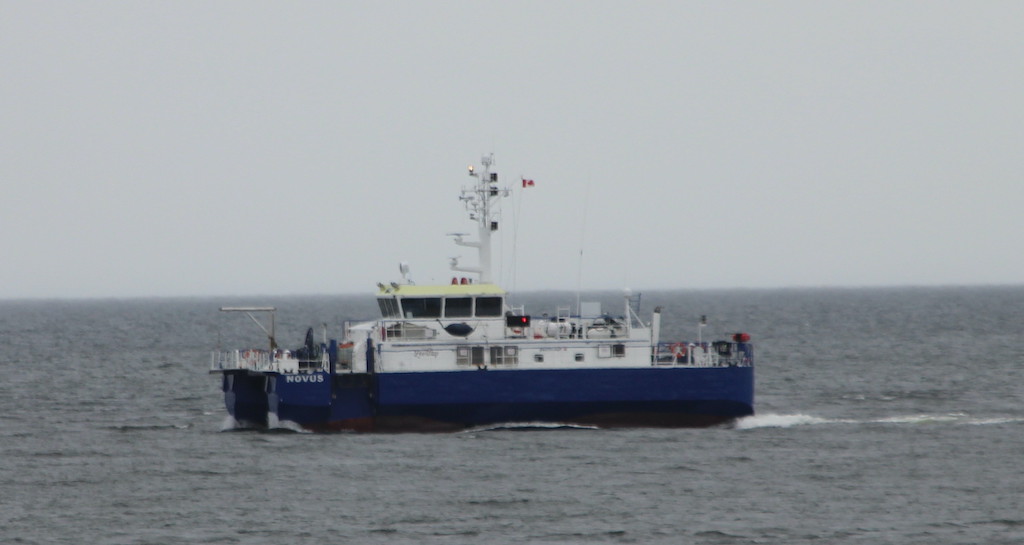
A few weeks ago when i was in Quebec, i found Novus at work off Point-aux-Pare.
Halifax Based Leeway Marine has owns the vessel, which was acquired to service a contract with the Coast Guard to replace the CCGS Fredrick G. Creed, which was removed from service and disposed of.
Novus, was delivered to Halifax on April 15 2021 by the General Cargo Ship Suomigracht. Novus was offloaded at Pier 9, and moved to COVE in Dartmouth.
Novus can carry 12 passengers plus three crew, and can accommodate 2 shipping containers on deck, making it a perfect research vessel. Novus is 85′ long and 42′ wide, and can cruise at 15 knots. The vessel is quite distinctive, as it features a small waterplane area twin hull design, better known as SWATH.
the ship spent this past winter undergoing a refit at AF Theriaut, and performs surveys of the river during the summer months.
SWATH was developed by a Nova Scotian Fredrick G. Creed in 1938. The design of the twin hull minimizes the area of hull at the water’s surface, reducing the effects of waves on the vessel, giving a very stable platform. Creed received a patent for the design in 1946. The first SWATH vessel was built in 1968.
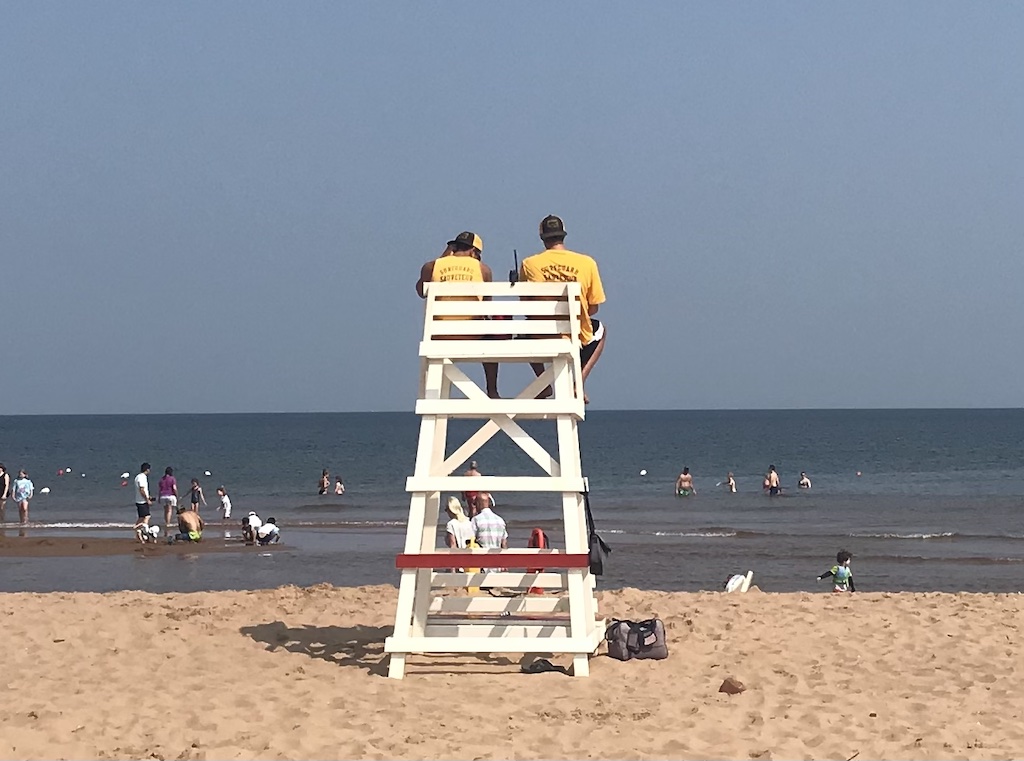
ed note: this article was written in 2010 by Mario Vittone, USCG Rescue Swimmer #368 it has been released into the public domain, and has been reprinted into numerous publications. I tweet it regularly, because its important.
The new captain jumped from the deck, fully dressed, and sprinted through the water. A former lifeguard, he kept his eyes on his victim as he headed straight for the couple swimming between their anchored sportfisher and the beach. “I think he thinks you’re drowning,” the husband said to his wife. They had been splashing each other and she had screamed but now they were just standing, neck-deep on the sand bar. “We’re fine, what is he doing?” she asked, a little annoyed. “We’re fine!” the husband yelled, waving him off, but his captain kept swimming hard. ”Move!” he barked as he sprinted between the stunned owners. Directly behind them, not ten feet away, their nine-year-old daughter was drowning. Safely above the surface in the arms of the captain, she burst into tears, “Daddy!”
Think this story doesn’t happen? Check out this rescue in Hawaii. A girl is in trouble surrounded by people, and no one notices shes in trouble.
How did this captain know – from fifty feet away – what the father couldn’t recognize from just ten? Drowning is not the violent, splashing, call for help that most people expect. The captain was trained to recognize drowning by experts and years of experience. The father, on the other hand, had learned what drowning looks like by watching television. If you spend time on or near the water (hint: that’s all of us) then you should make sure that you and your crew know what to look for whenever people enter the water. Until she cried a tearful, “Daddy,” she hadn’t made a sound. As a former Coast Guard rescue swimmer, I wasn’t surprised at all by this story. Drowning is almost always a deceptively quiet event. The waving, splashing, and yelling that dramatic conditioning (television) prepares us to look for, is rarely seen in real life.

The Instinctive Drowning Response – so named by Francesco A. Pia, Ph.D., is what people do to avoid actual or perceived suffocation in the water. And it does not look like most people expect. There is very little splashing, no waving, and no yelling or calls for help of any kind. To get an idea of just how quiet and undramatic from the surface drowning can be, consider this: It is the number two cause of accidental death in children, age 15 and under (just behind vehicle accidents) – of the approximately 750 children who will drown next year, about 375 of them will do so within 25 yards of a parent or other adult. In ten percent of those drownings, the adult will actually watch them do it, having no idea it is happening. Drowning does not look like drowning – Dr. Pia, in an article in the Coast Guard’s On Scene Magazine: Fall 2006 (page 14), described the instinctive drowning response like this:
This doesn’t mean that a person that is yelling for help and thrashing isn’t in real trouble – they are experiencing aquatic distress. Not always present before the instinctive drowning response, aquatic distress doesn’t last long – but unlike true drowning, these victims can still assist in their own rescue. They can grab lifelines, throw rings, etc.
Look for these other signs of drowning when persons are in the water:
So if a crew member falls overboard and everything looks OK – don’t be too sure. Sometimes the most common indication that someone is drowning is that they don’t look like they’re drowning. They may just look like they are treading water and looking up at the deck. One way to be sure? Ask them, “Are you alright?” If they can answer at all – they probably are. If they return a blank stare, you may have less than 30 seconds to get to them. And parents – children playing in the water make noise. When they get quiet, you get to them and find out why.
Pool Drains can be Dangerous.
Do you have a backyard pool or spa? Before you or your family jumps into the pool this summer, check the drain. The very quick and valuable lesson on what to look for (and why) is brought to you by the ZAC Foundation. To learn more about how to help keep your family, friends and community safe, visit www.thezacfoundation.com and www.abbeyshope.org.
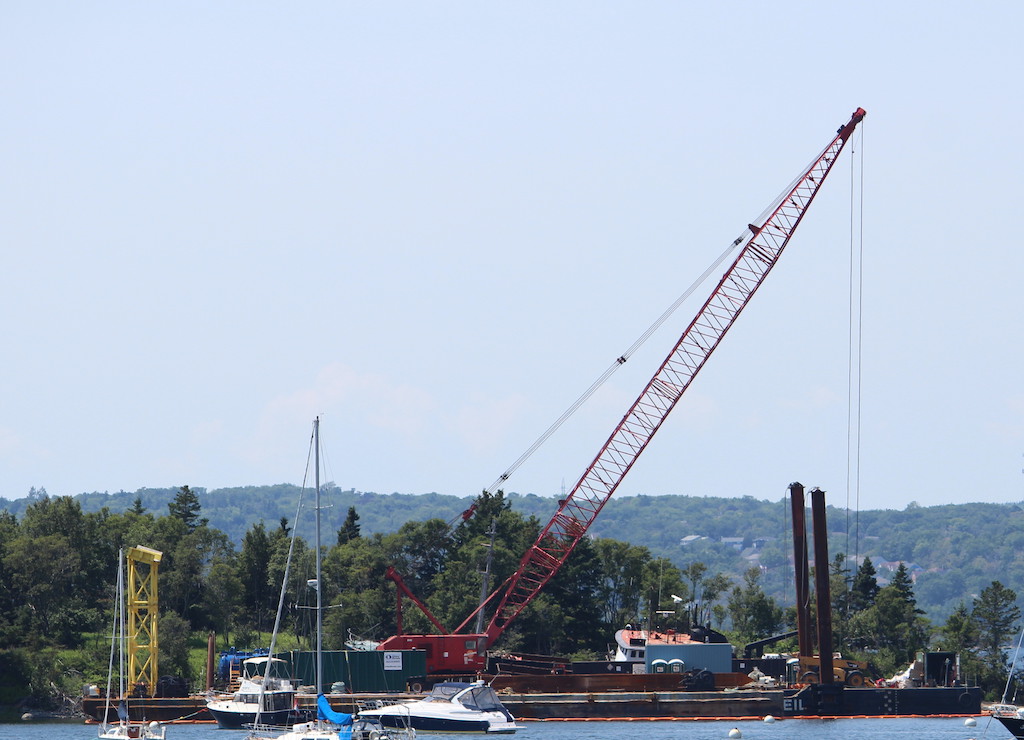
The Coast guard is in the Process of removing the Hydra Mariner from Navy Island in the bedford basin. The CG announced last week that the vessel would be cut up in place, and disposed of.
The costs for the cleanup will be covered by the Ship Source Oil Pollution Fund, which will then go after the vessels owner to recover the cleanup costs. The Hydra Mariner is registered with the TC Registry of shipping as a pleasure craft.
The vessel grounded in January 2021, in high winds. It had been moored in the cove for some time.
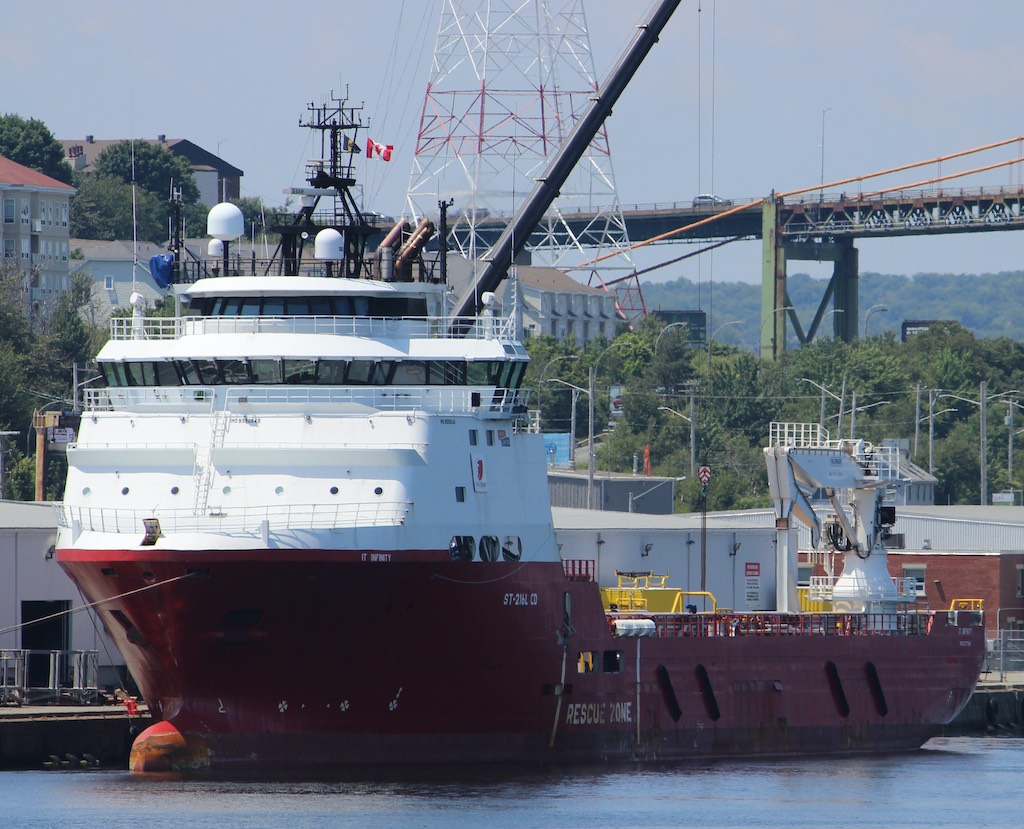
IT Telecom looks to have acquired another Offshore vessel for conversion to do cable work. The IT Infinity was previously Standard Princess, and worked out of Aberdeen Scotland. At the end of may, the ship sailed for Cape Canaveral in Florida, departing for Halifax on the 13th.
the ship was built by Vard in 2008. The large crane looks to be a recent addition, as pictures on MarineTraffic.com don’t show the crane while in Scotland.
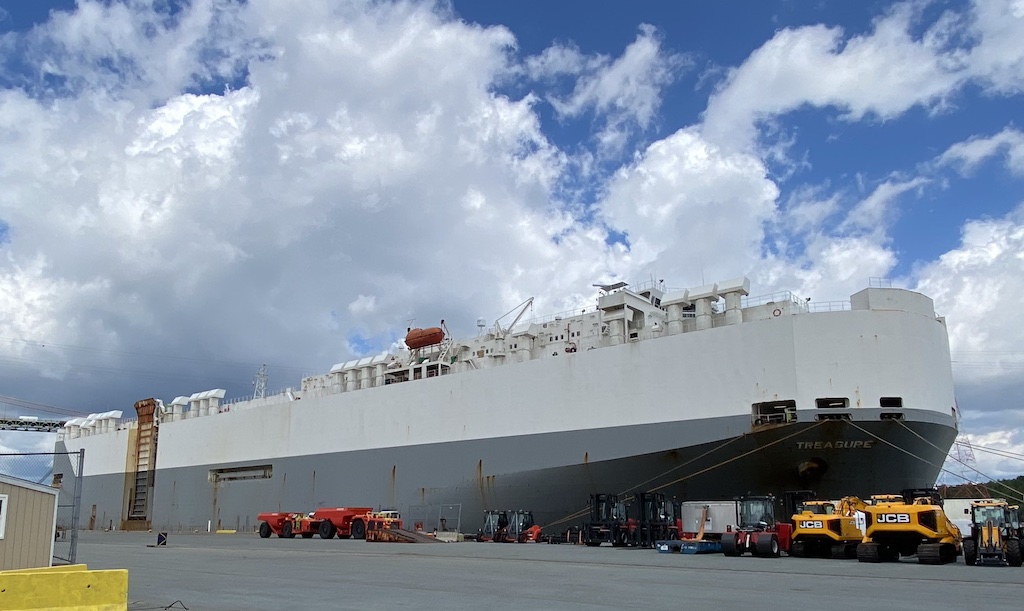
The car carrier treasure spent the day working cargo at pier 9 today. The ship arrived from Southampton UK. The ship is scheduled to move to autoport tomorrow at 11, and sail later in the evening.
Treasure was built in 1999, and is flagged in Liberia.
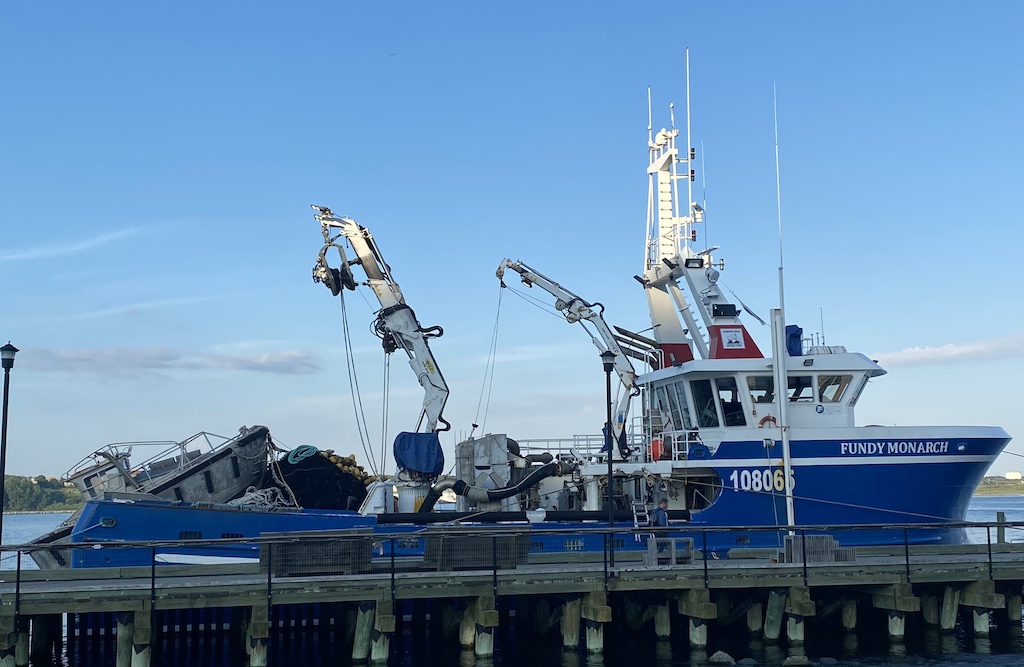
The third fishing vessel, Fundy Monarch, on the water front earlier this week. The vessels fish at night, and offload their catch at Pier 9. The fish are pumped into tank trucks, to be driven to the processors.
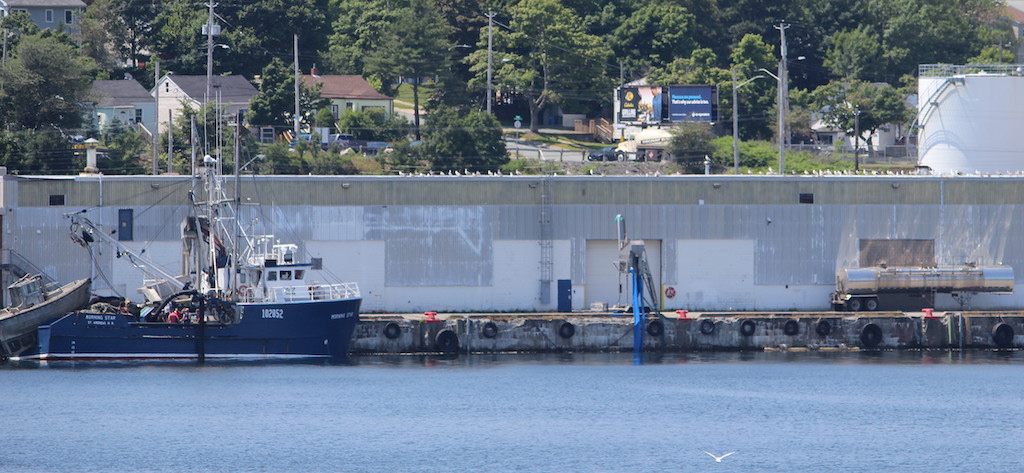
In the photo above, you can see the unloading rig in front of the fishing boat, and an empty trailer waiting to receive catch.
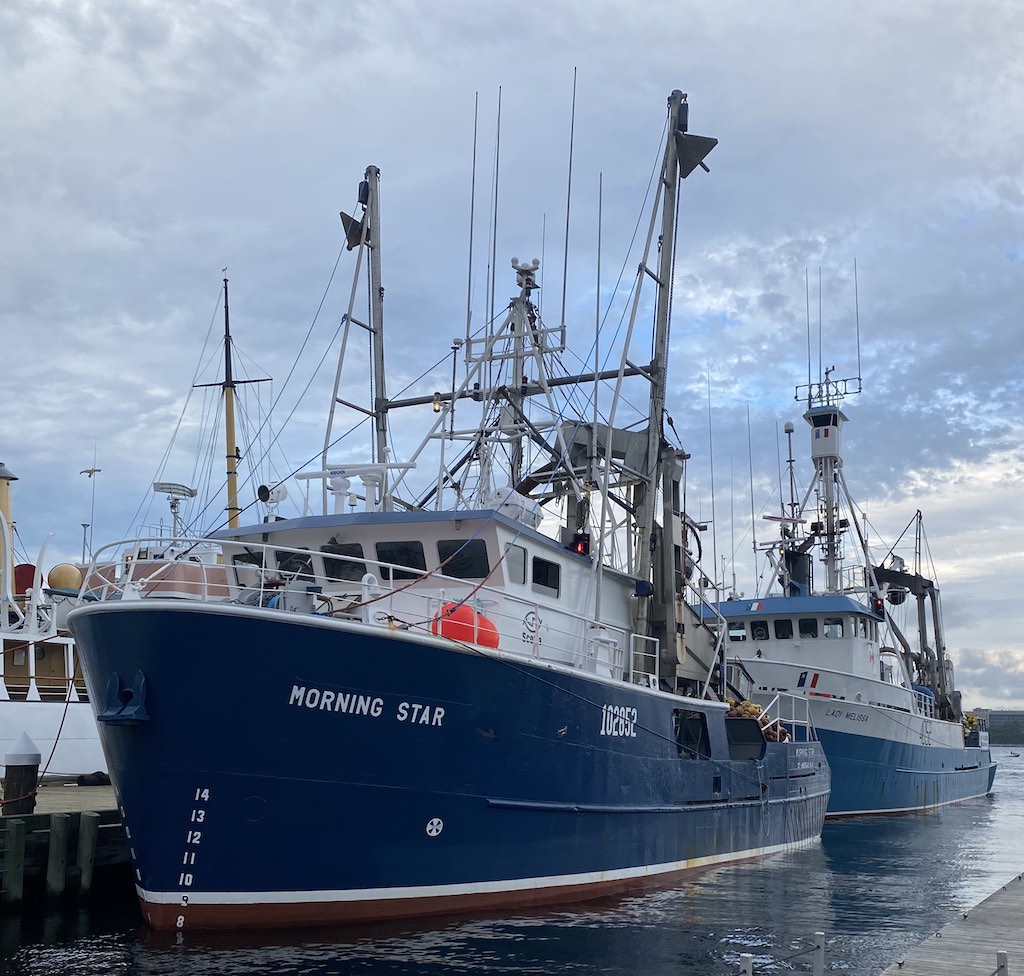
The Fleet of Herring Seiners is back this year, after a 2 year absence. The Fishing fleet traditionally put in in May and June, but this year is later and consists of only 3 vessels – Morning Star, Lady Melissa, and Fundy Monarch.
On June 21, the Minister of DFO announced a reduction of the catch of 33%. in May it was reported the reduction could be as high as 63%, due to risk to the species. Given the number of people employed by the fishery, there is considerable pressure to keep the quota up. The Quota was 42,500tons in 2018, 35,000tons 2019-2021, and was set to 23,450tons.
See coverage in 2011, 2012, 2013, 2014, 2015, 2016, 2018, and 2019