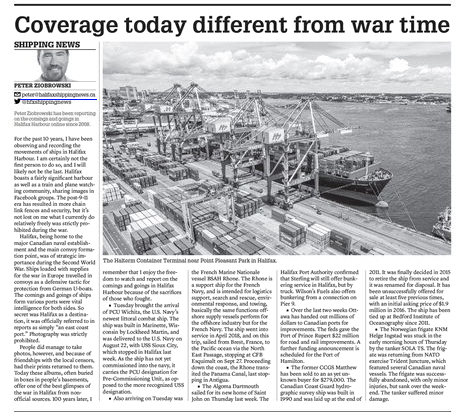
in this weeks column, I reflect on the war, and this whole writing about the comings and goings in the harbour, and how that was restricted by the censors during the war..
I also cover some recent happenings in the Harbour.

in this weeks column, I reflect on the war, and this whole writing about the comings and goings in the harbour, and how that was restricted by the censors during the war..
I also cover some recent happenings in the Harbour.
Consider becoming a member. 2$ a month really helps cover costs, and in return you get the site Ad Free. For latest port conditions, Including Weather,Wind, Tides, Arrivals and Departures be sure to visit the Port Report
1.Lifeboats head west
Irving Equipment and Atlantic Towing work together to load out two Search and Rescue boats onto Atlantic Towing’s Atlantic Raven! pic.twitter.com/TAwIpZVjU6
— J.D. Irving, Limited (@jdirvinglimited) November 8, 2018
2. Openhydro continues
3. BP doesnt find oil.
BPs partner has announced in a filing that commercial quantities of oil were not found in its drilling program. Shell returned their leases, presumably after not finding anything either.
4.Vidar Viking finished.
Davie announced the completion of the first ship, However with the first ship complete, Canadian Press is reporting Davie and Federal fleet have delivered on time, but not on Budget, with the costs of the project increasing by 217 million.
The ex-Vidar Viking, to be renamed, was floated out of Davie’s Champlain Drydock this morning. When she is handed over to the @CoastGuardCAN at the end of the month, it will be the first new Polar Icebreaker to enter the fleet in decades. pic.twitter.com/7haptPo0nQ
— Davie Shipbuilding (@chantierdavie) November 13, 2018
5.Open House Saturday

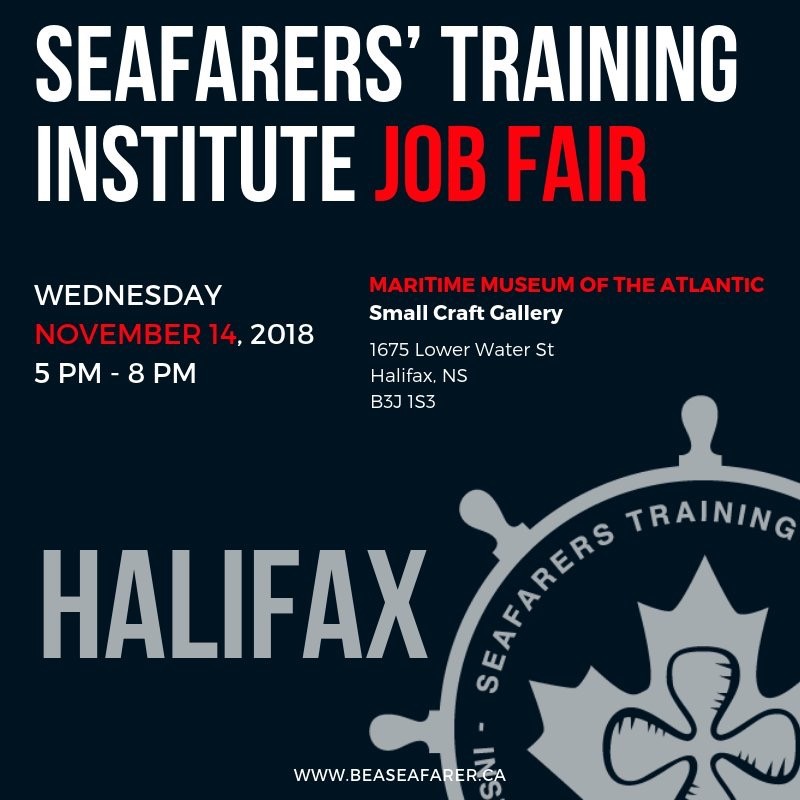
6. Job Fare – Be a SeaFarer
Want to be A Seafarer? Attend SIU’s job fair tonight.
1.time-lapse
While we’re in a video uploading mood, here’s a timelapse of our arrival into Halifax. Both videos come courtesy of our deck apprentice. #royaltweetauxiliary #rfatidespring #canada pic.twitter.com/06plUhgPxO
— RFA Tidespring (@RFATidespring) October 30, 2018
Nov 13 1915 – Barque Calburga floundered in heavy weather off Strumbel Head, Wales, while carrying timber from Halifax.
Nov 12, 1928 – The Lamport and Holt Lines passenger ship Vestris sank in the Atlantic after being swamped by two huge waves.
Nov 11, 1976 – HMCS ALGONQUIN assists fisheries protection vessel Chebucto in arresting two Cuban fishing vessels suspected of illegal fishing in the Halifax approaches
Nov 10, 1813 – The warship Atalanta was wrecked near Halifax Harbour. The ship sank in only twelve minutes but the entire crew were saved.
Nov 8, 1728 – Captain James Cook Born on this day. He spent his early career in Canada https://halifaxshippingnews.ca/2013/02/captain-james-cook.html
once again weather is restricting movements into and out of the Harbor. CATHARINA SCHULTE and BOMAR REBECCA were both due at Halterm overnight, but are still sailing around the mouth of the Harbour. the Bulker Algoma Integrity was due to depart from national Gypsum, but remains tied up there.
winds are still strong, at 23 Knots, Gusting to 34, and are forecast to remain so until tomorrow evening, however waves appear to have subsided with a Max height now just 4′ compared with 10′ last night.
UPDATE 0930 – CATHARINA SCHULTE took her pilot and is headed inbound.
Weather was an issue on Saturday, with some ships moving, and others waiting it out. CMA-CGM Chennai, at just over 10000teu was forced to wait out her call until 15:00 on Sunday. She was worked over night, and sailed before noon on Monday.
With CMA-CGM Chennai not entering port Saturday morning, other container ships were moving.
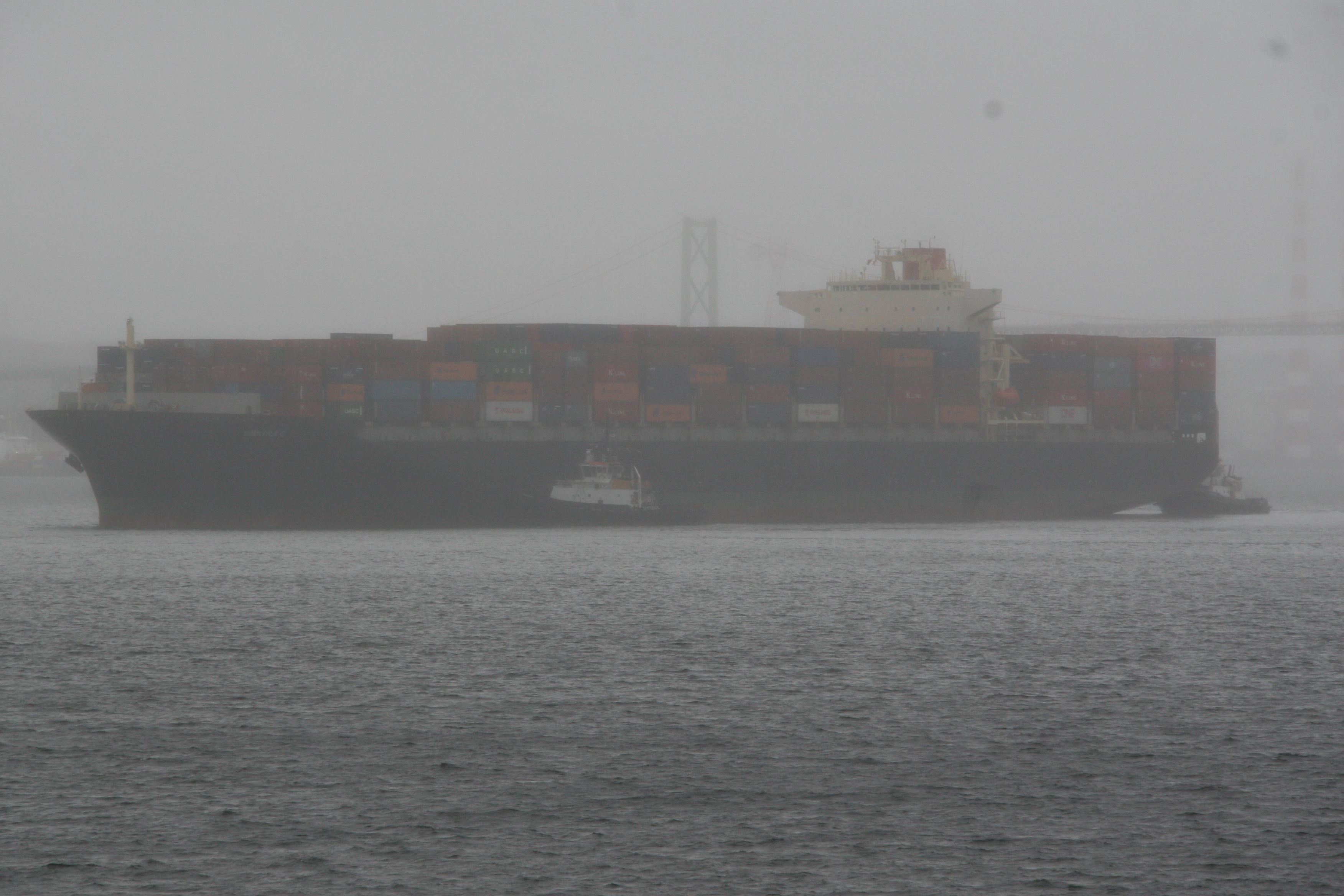
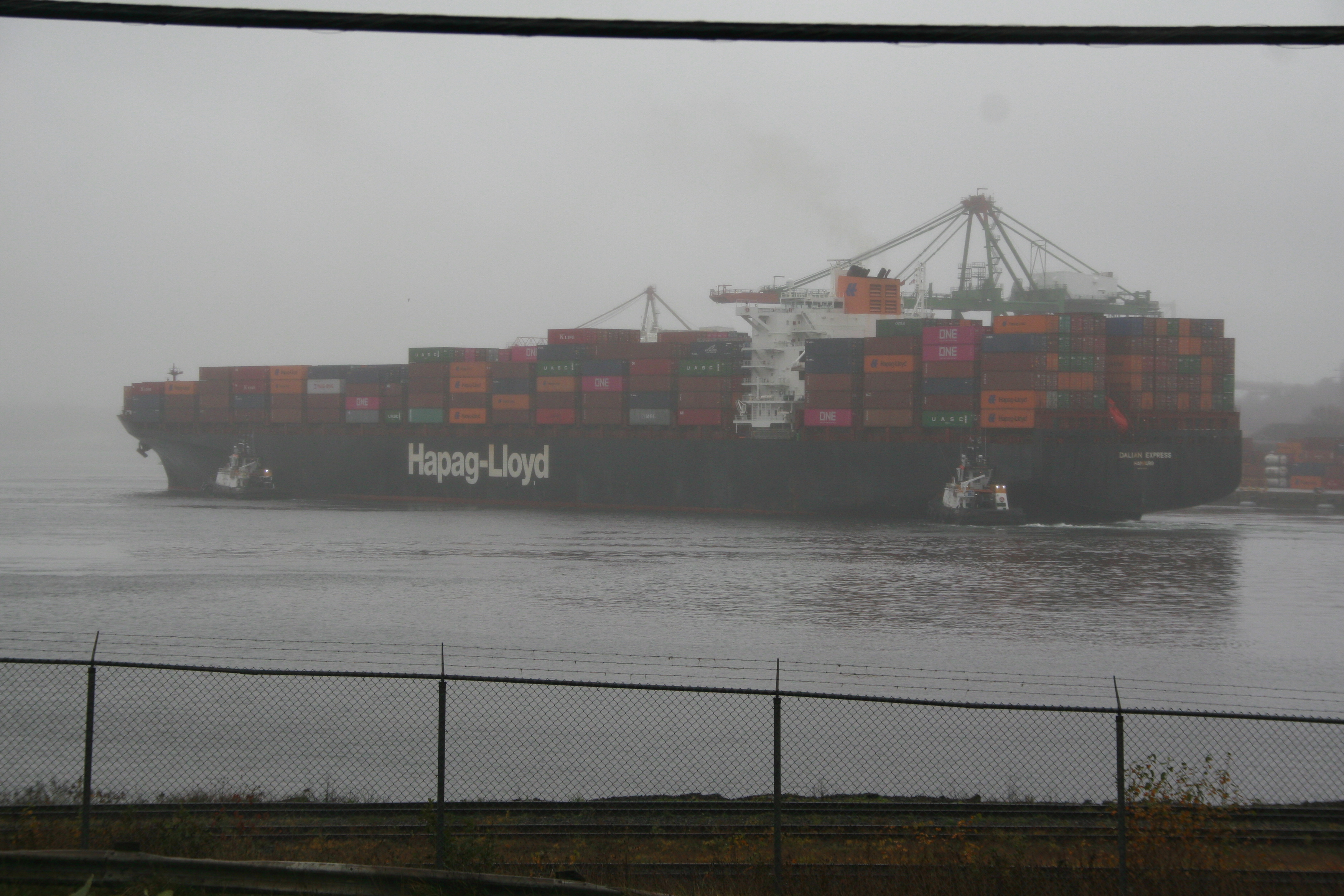
Dimitra C, the former MOL Priority, arrived, and waited in the basin for Dalian Express to free the Western birth. With Dalian Express Clear, she backed in and tied up.
also working Fairview Cove on Saturday was Atlantic Sky in the the West birth.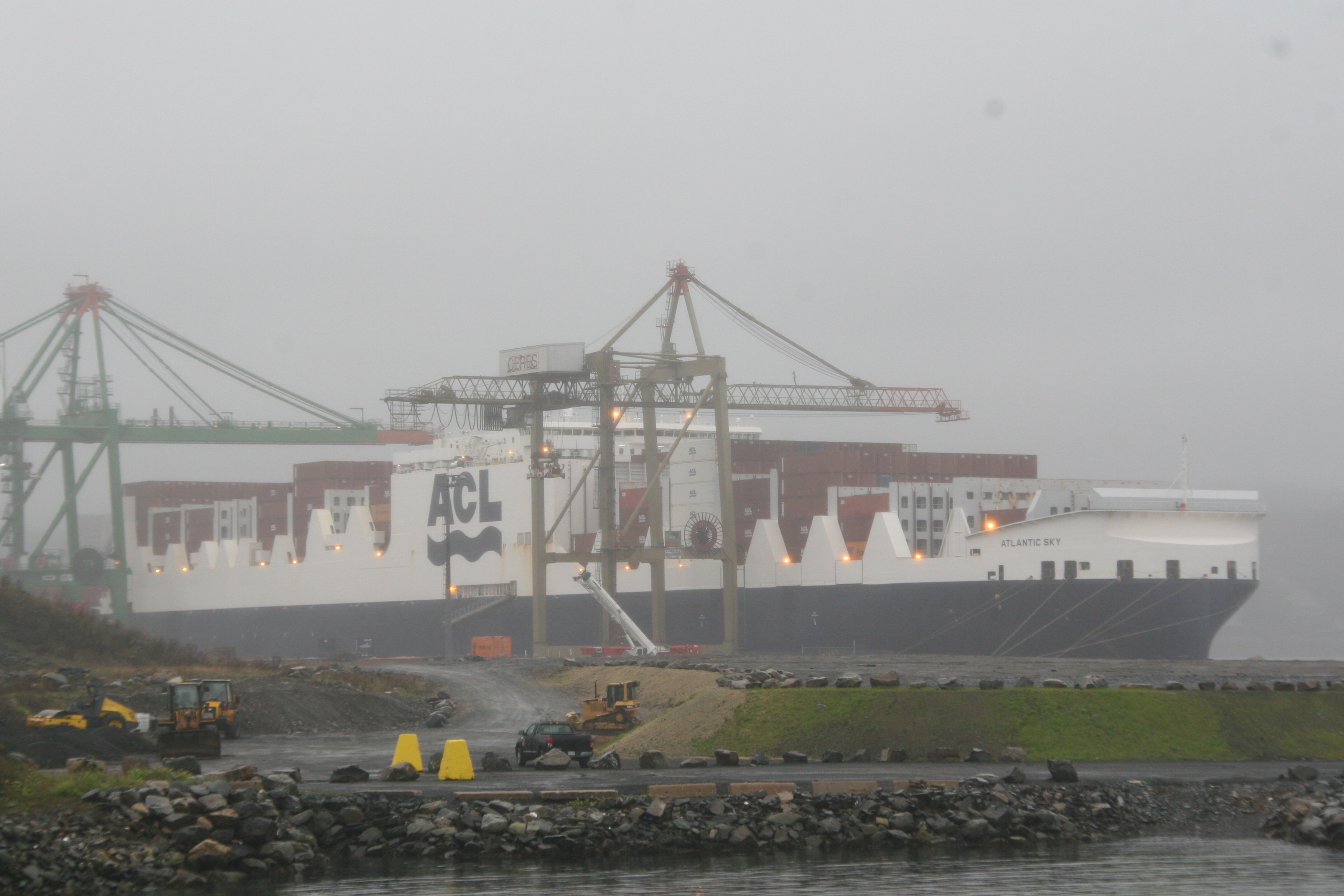
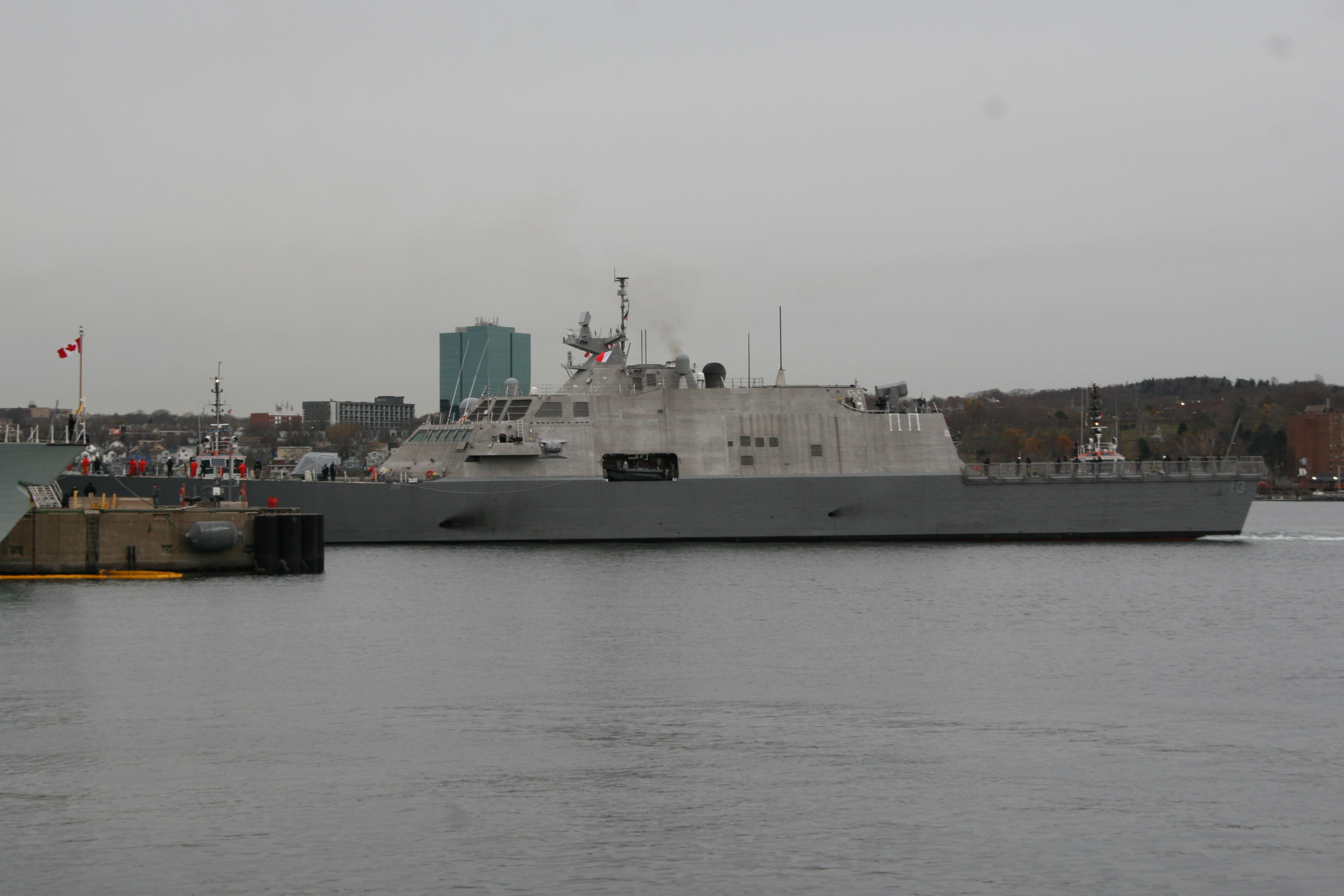
USS Witchita,LCS-13, the newest Freedom Class Littoral combat ship arrived this morning. The ship is headed to her home port after completing construction in Wisconsin, and being accepted by the US Navy August 22. USS Sioux City Arrived on the 6th, having also been delivered on the 22nd of August. She was the first LCS I missed photographing due to work and weather.
The others to Call So far include:
USS Freedom – Nov 2008
USS Fort Worth – Aug 2012
USS Milwaukee – Dec 2015
USS Detroit – Nov 2016
USS Little Rock – April 2018
Tuesday features tow visits by foreign naval vessels.
the First – USS Witchita, the newest Freedom Class Littoral combat ship is due in the morning, likely tieing up at the dockyard around 7:30 am. the ship is headed to her home port after completing construction in Wisconsin, and being accepted by the US Navy.
the second ship – BSAH Rhone is a support ship belonging to the French Navy. Bâtiment de soutien et d’assistance hauturiers (BSAH) vessles will be used by the French Navy for rescue missions, environmental protection, work in military ports and general support for other navy units.Commissioned in June of this year, the ship is the second of four vessels in her class.
ths ship is on quite a tour – She tied up in Esquimalt at the end of September.
BSAH Rhone will be a dockyard 3:45-4pm ish.
Algoma recently purchased the Swedish registered tanker Ramira, and registered it in Canada as AlgoNorth. The 2008 Turkish built tanker is scheduled to sail on the 12th from Goteborg Sweden for Canada. as the ship is registered in Halifax, its likely this will be the first stop.
A Products tanker, she is 135 meters long =, and similar in size to the other products tankers Algoma operates.
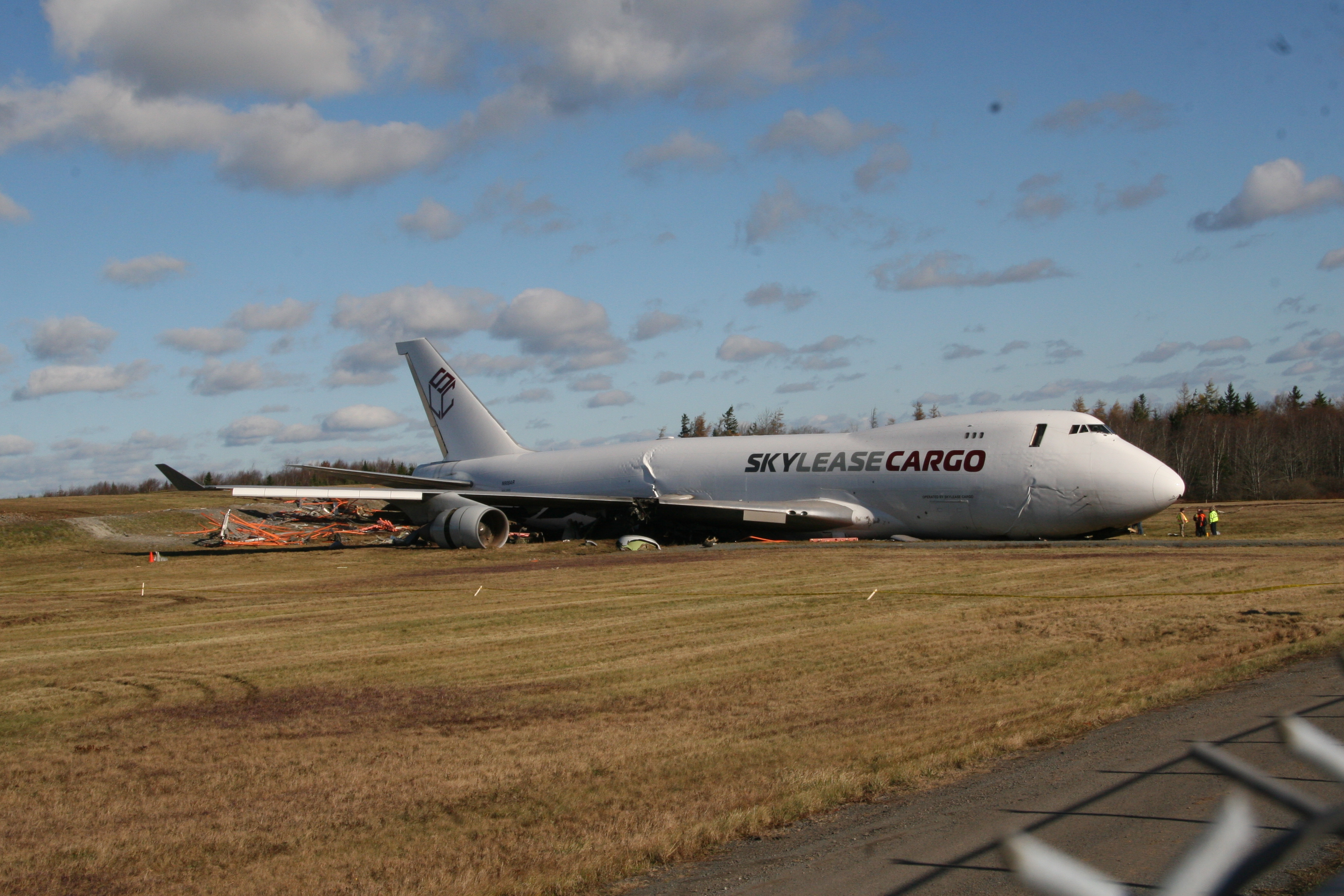
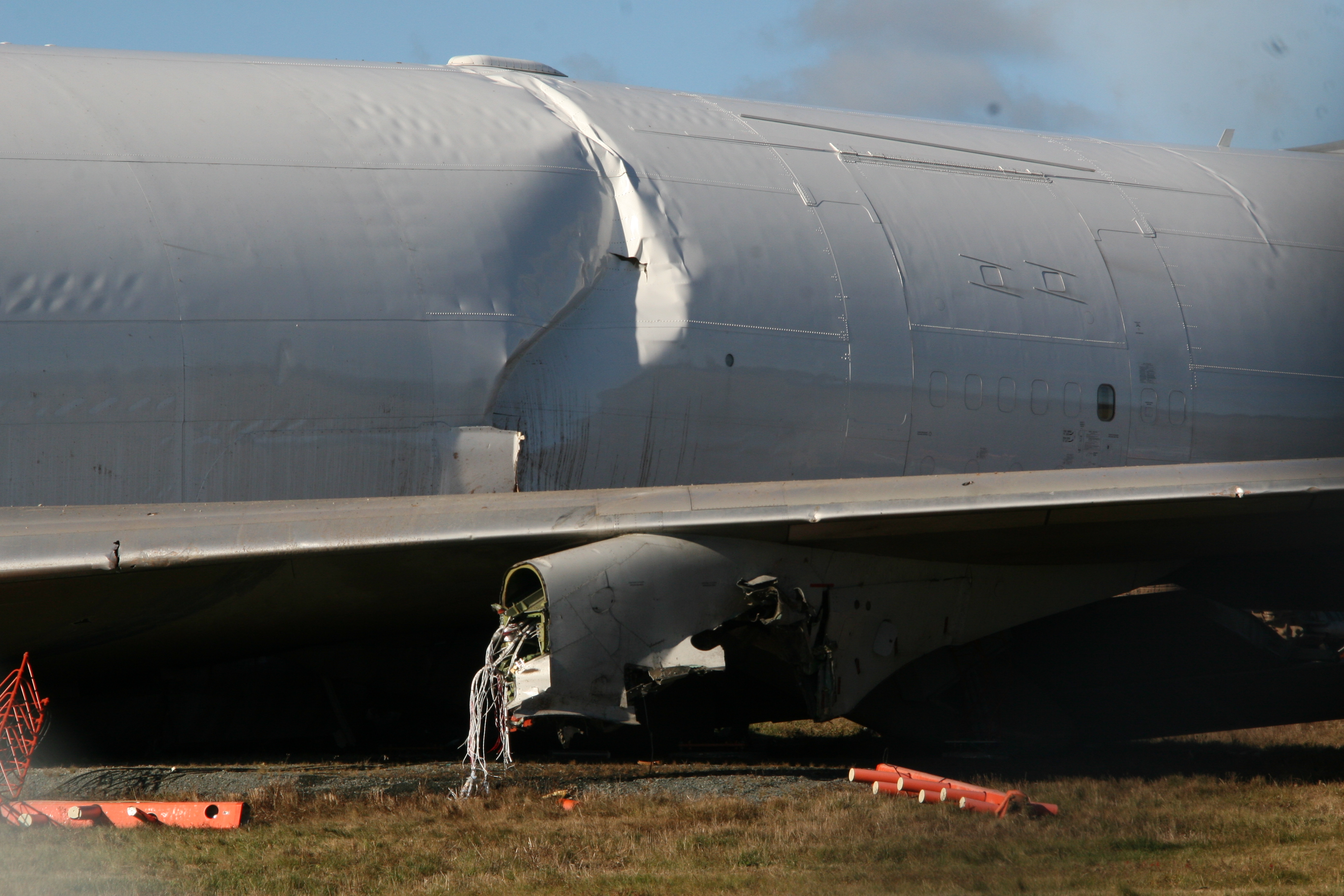
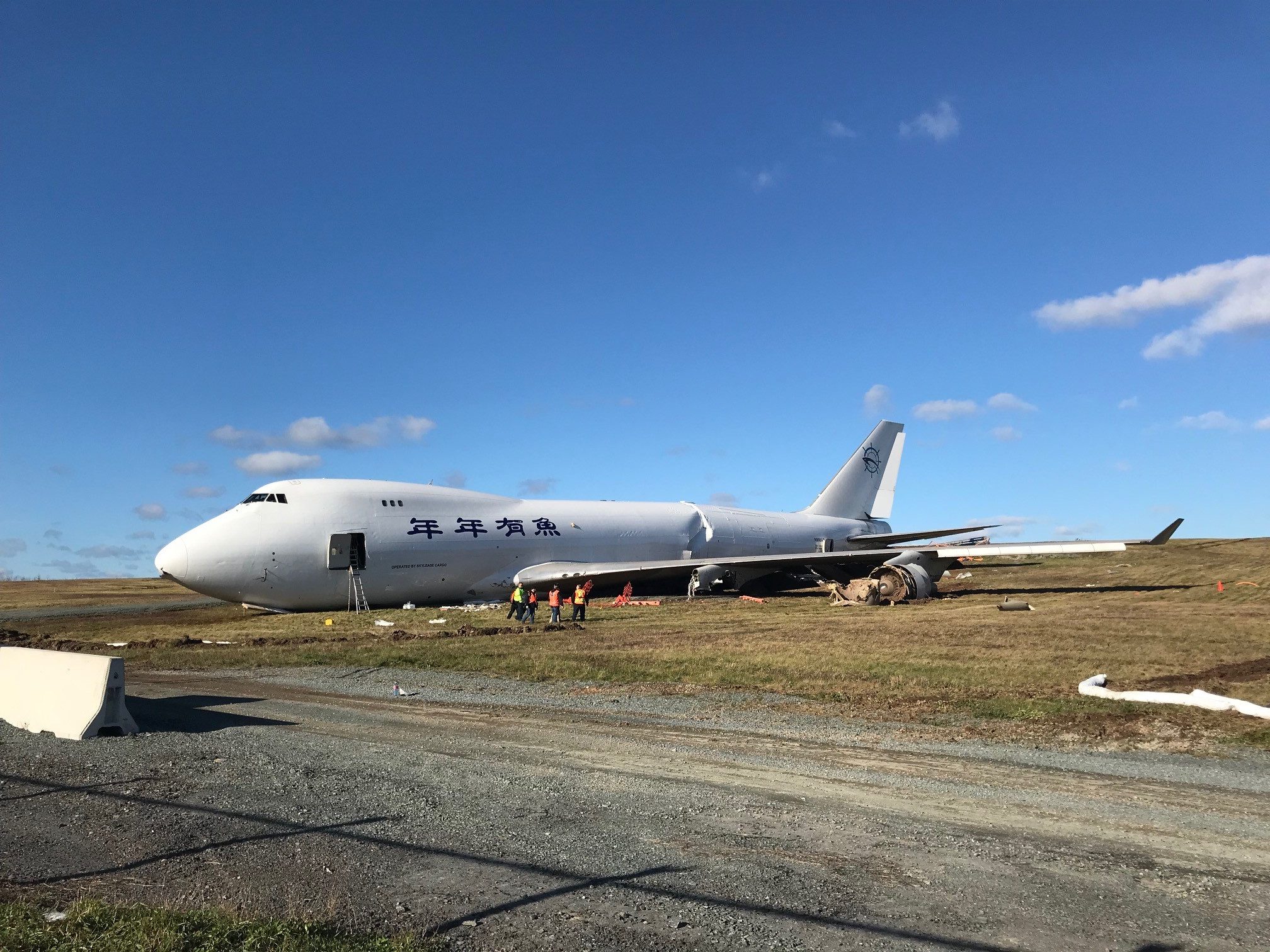
Wednesday Morning a Sky Lease Cargo plane, operating as flight KKE 4854 arrived from Chicago and slid off the end of runway 14 while landing at YHZ. the crew of 4 suffered minor injuries. the The plane took out the localizer antenna at the end of the runway, had the landing gear collapse, and lost both inboard engines. A large crease (below) suggests this is a Hull loss incident.
the 747-400 was arriving empty to load seafood for china. Im told the Chinese characters on the other side read “Have fish every year”
A TSB conference yesterday suggested weather may have been a factor, with strong Tail and cross winds, and Rain at the time, the Incident occurred at the end of the shorter of the 2 runways – with strong winds and rains the pilots decision to use that runway will also be a source of inquiry. the TSB reports the winds were 250degress magnetic, which is almost a perfect cross wind fro landing on runway 14.
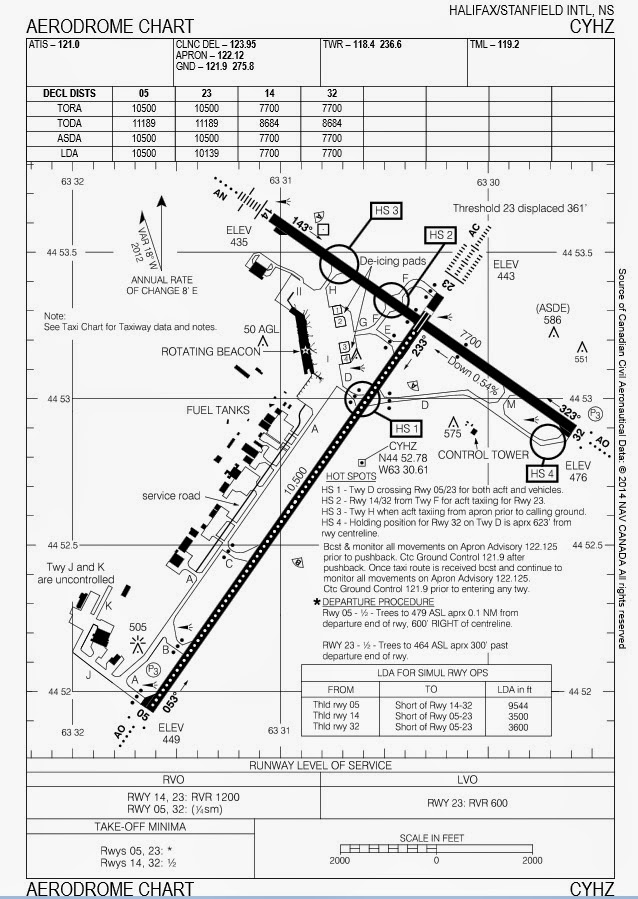 in 2004, another cargo plane, also a 747 crashed on takeoff. MK airlines flight 1602 was not configured properly for flight, and crashed at the end of runway 23. AC 624 landed short of runway 05 in March 2015. Improvements made after the crash of MK1602 likely significantly reduced the severity of that crash.
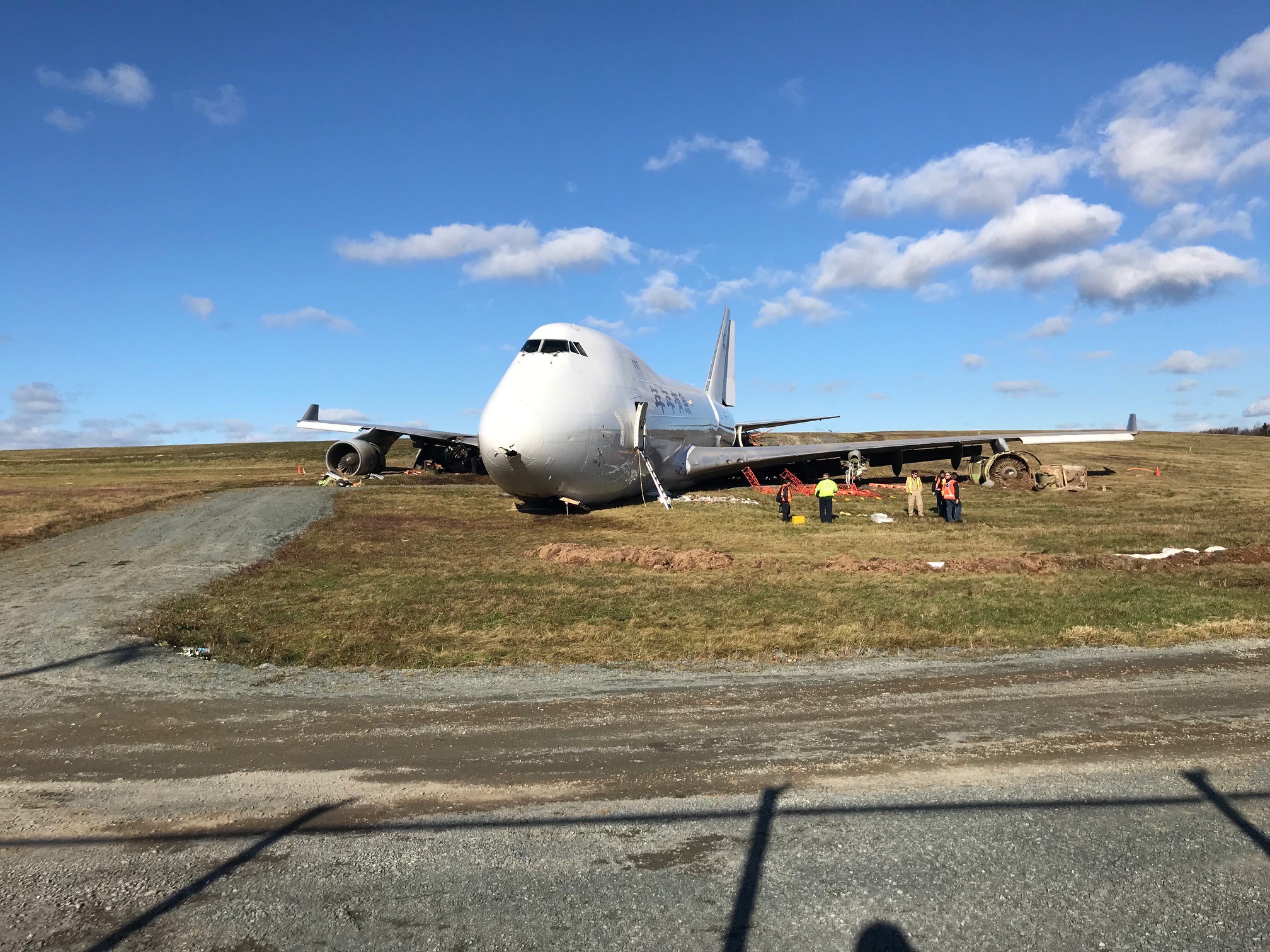
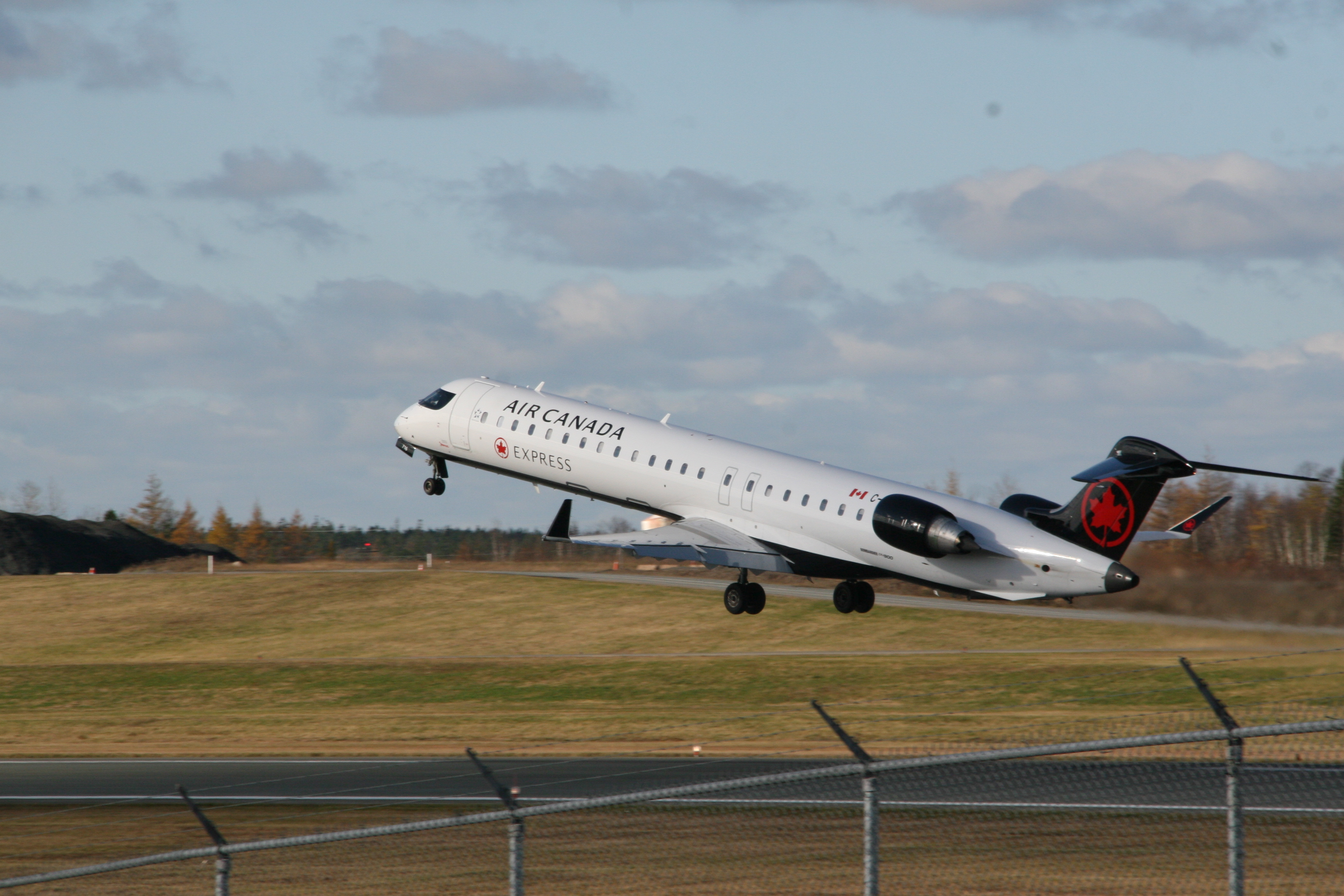
Operations were more or less normal, with the main 05/23 runway in operation, while the investigation continues.
UPDATE 11/14:
ATC Audio is available. the video also lists some limits for landing.
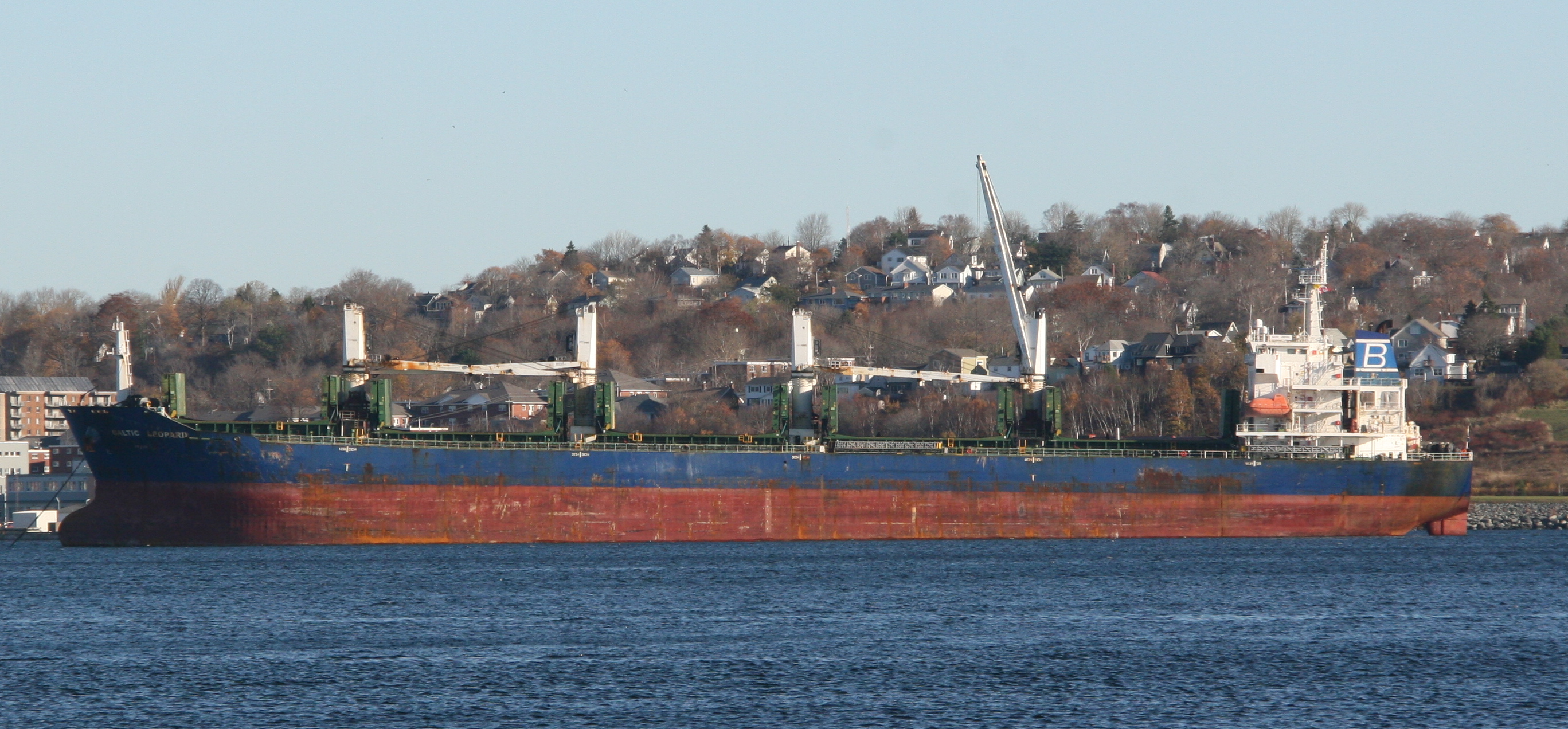
the Bulker Baltic Leopard arrived yesterday and took to the inner anchorage. the ship was seen with hatch covers open, suggesting the holds were being cleaned in preparation to load cargo
this morning the ship moved to Pier 27 to load product from the grain elevator. Given the hold cleaning, its possible that product is actually grain.
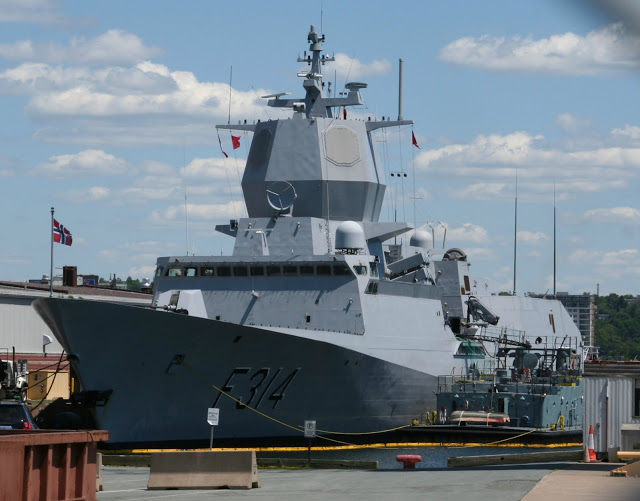
KNM Helge is a Nansen Class Frigate. Pictured is KNM Thor Heyerdahl on a2012 port visit to Halifax
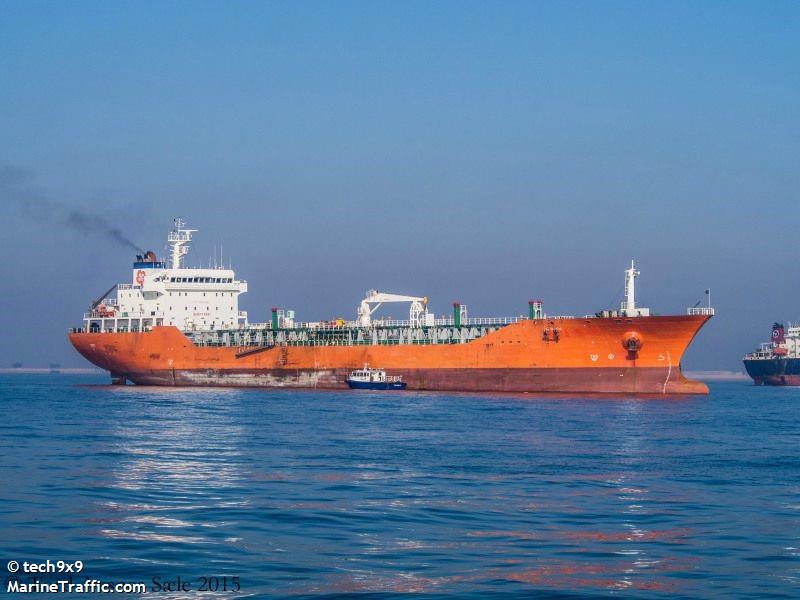
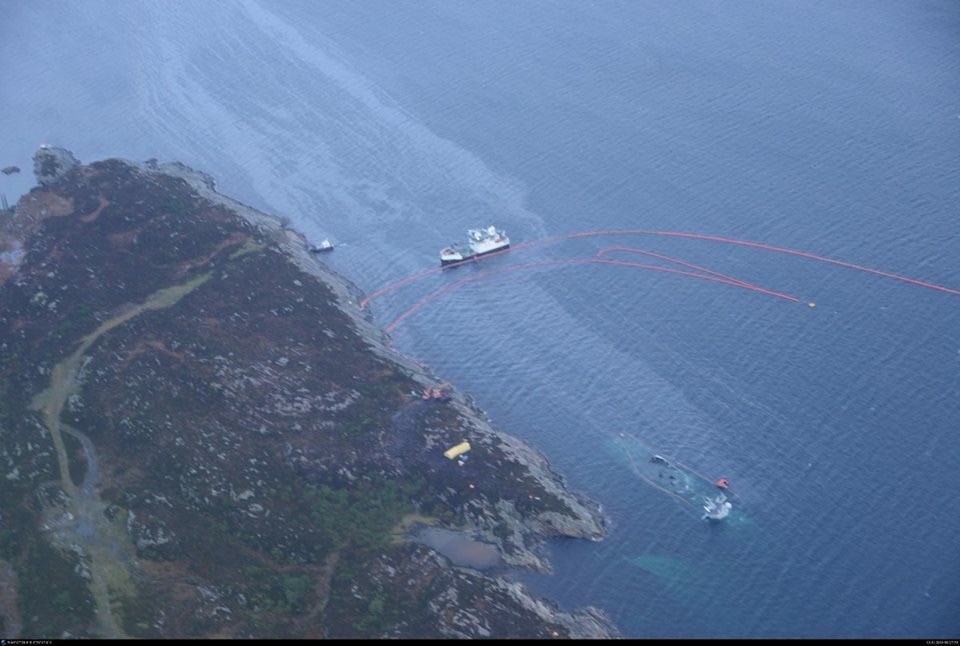
The Norwegian frigate KNM Helge Ingstad was stuck early this morning by the tanker SOLA TS while anchored west of Bergen. The tanker had just loaded North Sea Crude oil, and was departing the fjord when the incident happened.
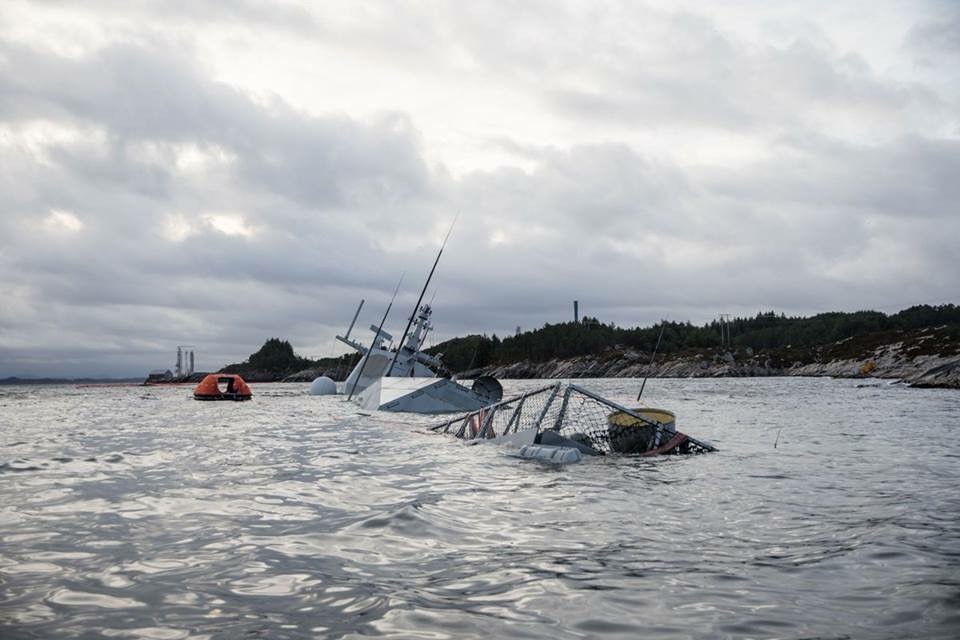
the frigate appears to have been stuck in the stern area, and flooding continues, with the latest images showing the frigate nearly on its side, a significantly worse state then shortly after the collision, when the frigate was simply low in the stern. the ship also appears to have deliberately run aground at the bow, in an attempt to keep the ship from sinking,
the Frigate was participating in the Nato Exercise Trident Juncture, which also featured Canadian frigates HMCS Halifax and HMCS Toronto. the 137 crew members were able to evacuate the ship, with 7 minor injuries reported. Marine traffic reports the frigate was not broadcasting AIS at the time.
UPDATE 11/09:
New imagery from the Norwegians this morning. looks like the ship has settled on her side. She was not broadcasting AIS at the time of the collision, and appears to have been holed by the tankers protruding anchor hawsepipe, which looks to have left a large gash from the hanger aft.
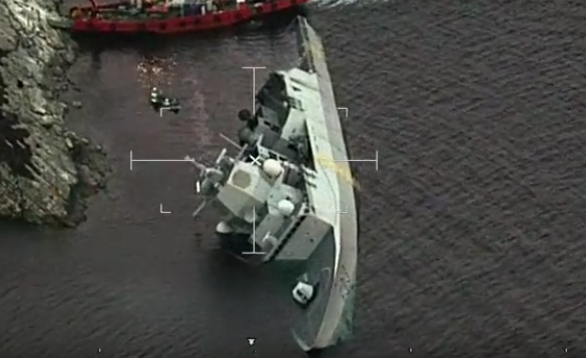
Still taken from this video
from yesterday:
Just speculation; looks like these might be collision points on 🇳🇴frigate KNM Helge Ingstad and 🇲🇹tanker Sola TS. No other part of tanker hull that sharp, and strong too to take anchor strain. Damage below waterline prob. from bulbous bow. #shipspotting #HelgeIngstad pic.twitter.com/csFlKMmxHm
— Daniel Wilson (@danielw_rosala) November 8, 2018
Images of the damage caused to #Norwegian #frigate #HELGE INGSTAD F313 from #collision with tanker SOLA TS. Views are obvioiusly before the ship partially sank. The below-water damage to the ship was more extensive than the photos can show. pic.twitter.com/7Nbgo8U7Bc
— Chris Cavas (@CavasShips) November 8, 2018
Update 11/10:
she looks to be down more on her side.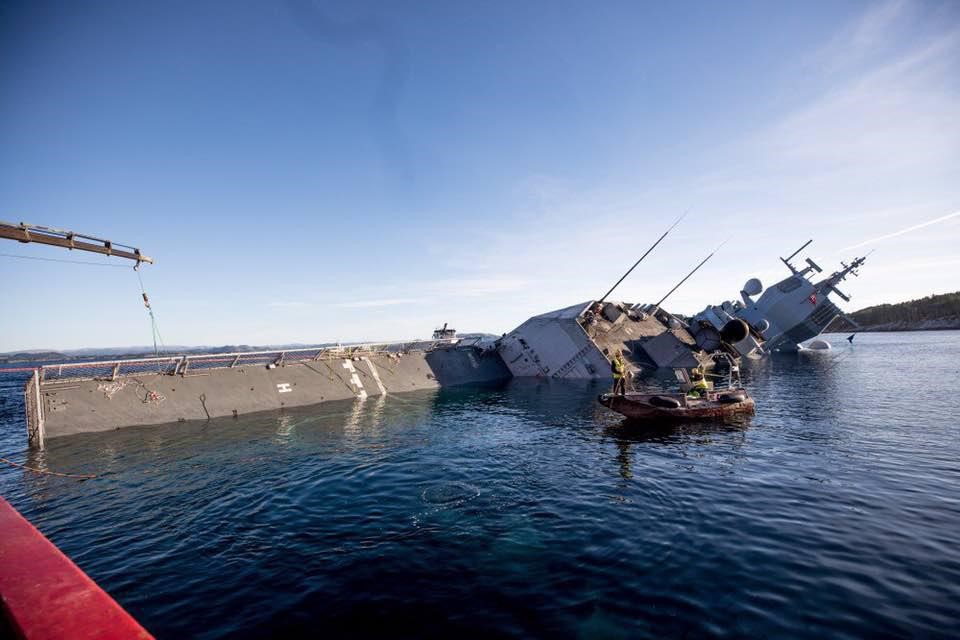
Update 11/13:
Shes Sunk. Overnight the 7 lines holding the ship to shore broke, and she slipped beneath the waves. The Norwegian government announced on the 12th that the ship was secure.
Word is she was actually sailing when the incident occured, and not anchored, and was aware of the presence of the outgoing tanker. An audio log obtained by Norwegian media has revealed that the frigate failed to change course despite repeated warnings that she was on collision course with the tanker. Significant questions about Seamanship and damage control need to be asked after this incident.
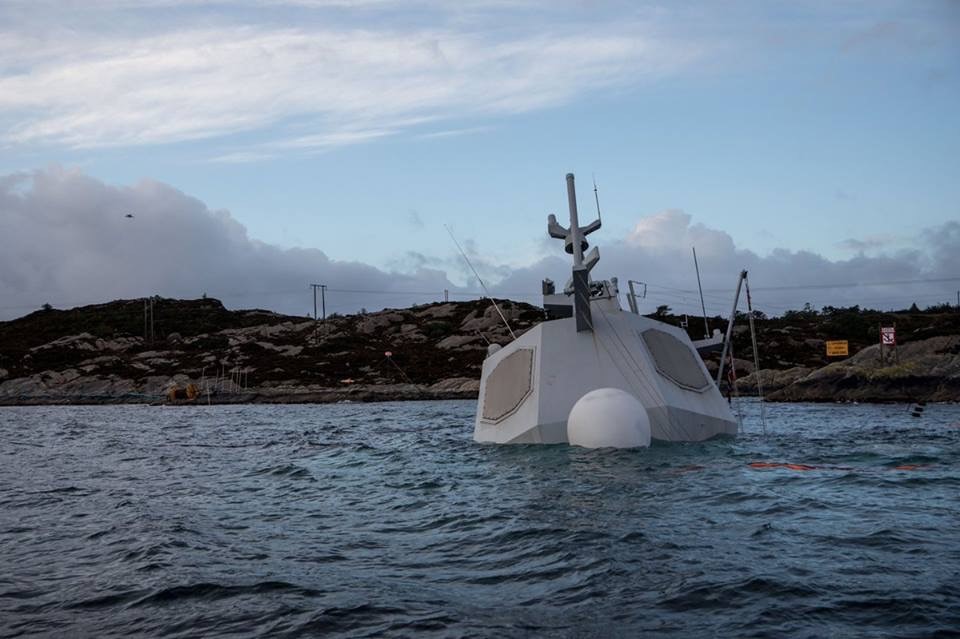
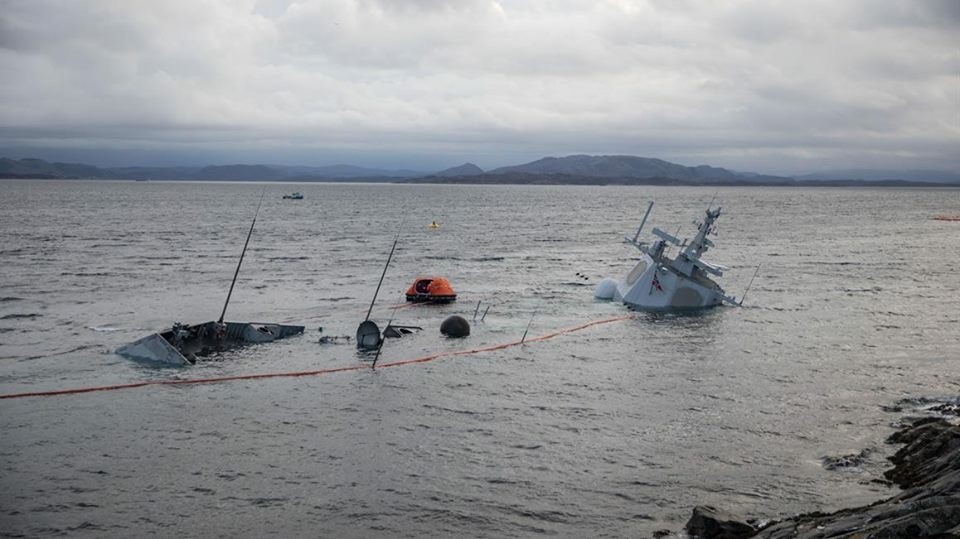
Update 11/14
#HelgeIngstad: radar and radio logs indicate she was speeding south at 17 knots. Minutes before collision, Sola appeared to suggest Ingstad to swing stbd (pass portside to portside), but Ingstad feared getting too close to shore, so tried to pass stbd-stbd https://t.co/E7yRRzzZJ5 pic.twitter.com/ItoHSmH9TO
— Timothy Choi (@TimDotChoi) November 10, 2018