
There is lots of talk about installing Light Rail Transit or LRT in Halifax. Everyone loves trains, and the tracks exist, so a project in theory could be implemented quickly and relatively affordably. So why hasen’t it.
What we once had
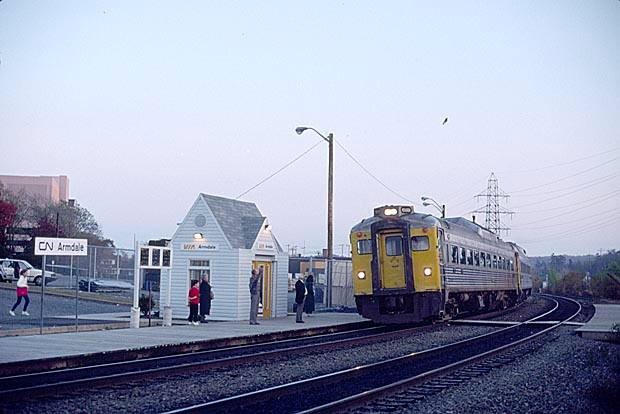
Until the 1990 VIA Rail Cuts, Rail Diesel Car service was operated out of Halifax to other points in the Maritimes. there was daily service from Halifax with stops in Armdale, Rockingham, Bedford, Windsor Junction and out to Kentville with 3 trains daily in each direction. Trains also ran from Kentville to Yarmouth.
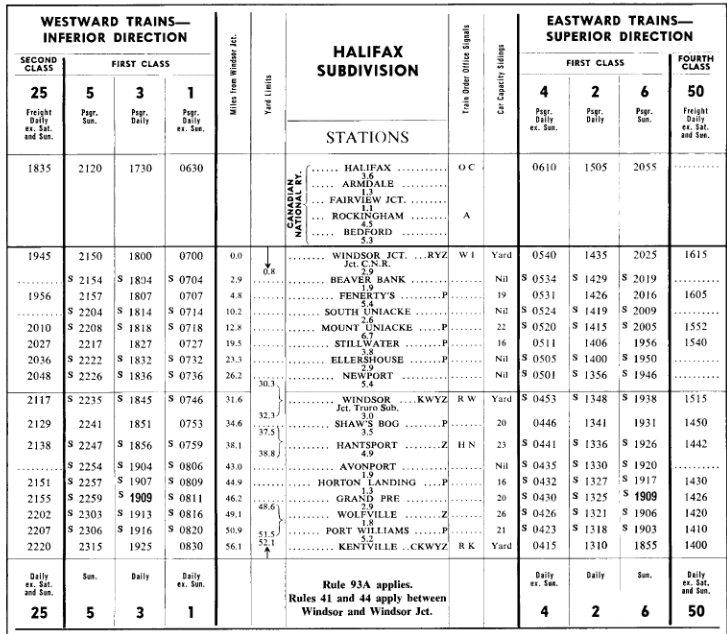
Other trains operated to Cape Breton and Moncton.
Rapidly implemented rail projects

The Original Ottawa O-Train project is a good example of what I think people think Halifax should do. The Original O-Train used an existing rail line – CP’s Ellewood Subdivision, which at the time saw sporadic freight traffic. The original trains were 3 Bombardier Talent DMUs, that were built as options for a German railways order that were not exercised. 2 would operate on the line, one in each direction, meeting and passing in the middle, with the third available as a spare. Platforms were sparse, and had flip up sections at the doors to allow clearance for fright trains.
The project cost 21million to build in 2001, and cost 4 million a year to run.
Alternatively, there was talk about operating a GO train like service, with VIA rail operating the trains. There is some question if VIA has available serviceable equipment to run the service, but in the end the CN issue remains.
So why cant we do that?
So far the big roadblock to doing anything rail transit related is CN. CN’s position is that even if the city builds new track on their right of way, CN will control it, and will not guarantee they wont block it with a freight train. So the city could spend a bunch of money to build track, and still not have a reliable train.
Canadian National was a crown corporation until it was privatized in 1995. CN was led by Hunter Harrison, who was a big proponent of something called precision scheduled railroading. The gist of PSR is that you run big trains on a semi regular schedule, and as a result can remove a bunch of “unneeded” track. removing track makes a railroads financials look better, since it reduces the operating ratio, which is a measure of revenue per mile of track. This is why much of the double track on the Bedford Sub was torn up.
This also explains why GO Transit in Toronto, Operated by metrolinx is able to buy track from CN. CN maintains some running rights, but can remove that track from its operating ratio. Also most fright trains use a more northern route to directly access the Macmillan yard.
what is LRT anyway?
LRT is a poorly defined term, and can encompass a number of distinct platforms and technologies.
Trams
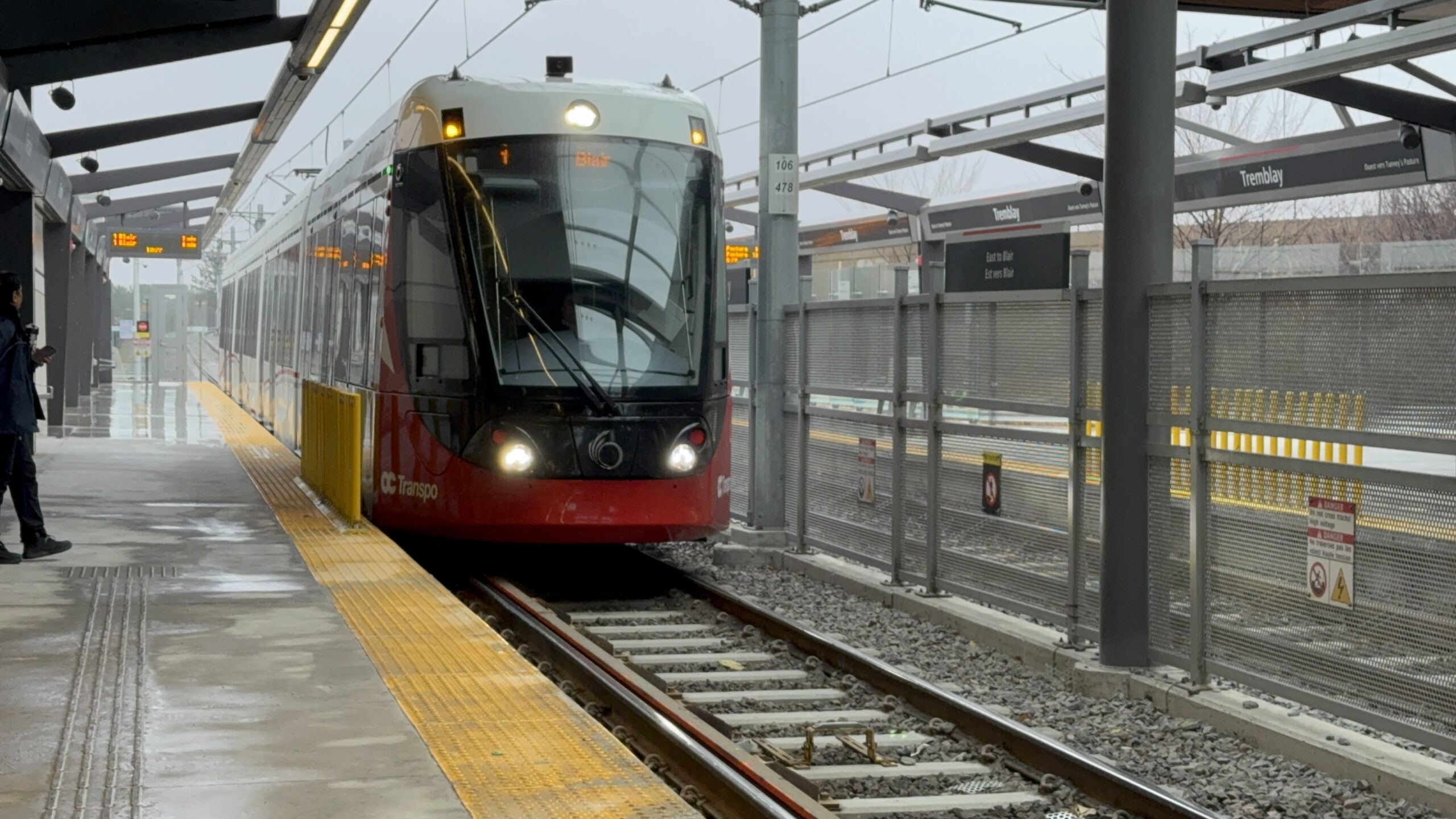
Trams are typically what people think of when they think of light rail. A low floor vehicle that often operates in streets or on their own right of way adjacent to streets. The Alstom Citadis Spirit is a Tram-Train – its supposed to operate like a tram but also a train, except its a new design and has some issues with tight curves and high speeds. These trams can operate in Pairs, with a single operator, though most of the line is automated, and the operator is mostly monitoring operations.
Diesel Multi Units
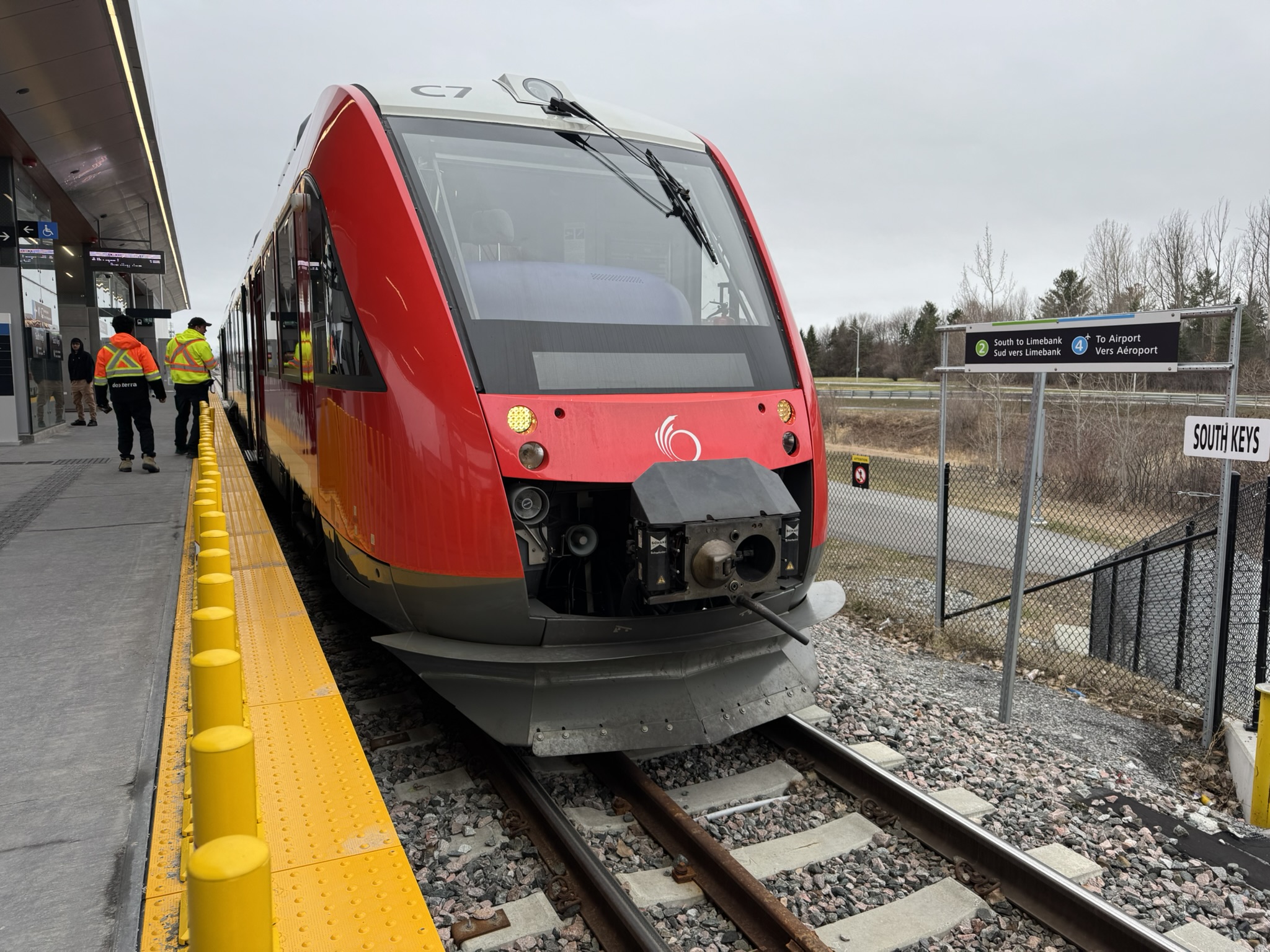
A Diesel Multi Unit (DMU) or Electric Multi unit (EMU) is typically a double ended 3 car train that is powered by diesel or electric motors. the Alstom LINT is a 3 car DMU, that is directly powered by diesel motors via a gearbox. These typically are a high floor vehicle, but can be considered “light rail” as they don’t meet heavy rail crash standards.
Light Metro
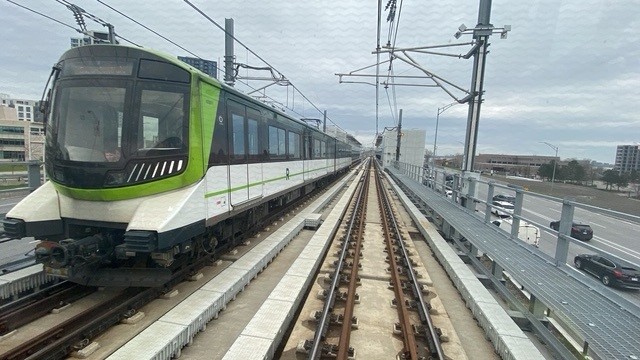
Vancouver’s Sky train, and Montreal’s REM, are both good examples of Light Metro. Both systems use short 2-4 car trains, and are both fully automated, with no train operators aboard. these systems are fully grade separated, and operate on dedicated Right of ways.
Non “Light” trains
For the sake of completeness, and to show an obvious comparison, I’ve included typical heavy options.
Heavy Metro
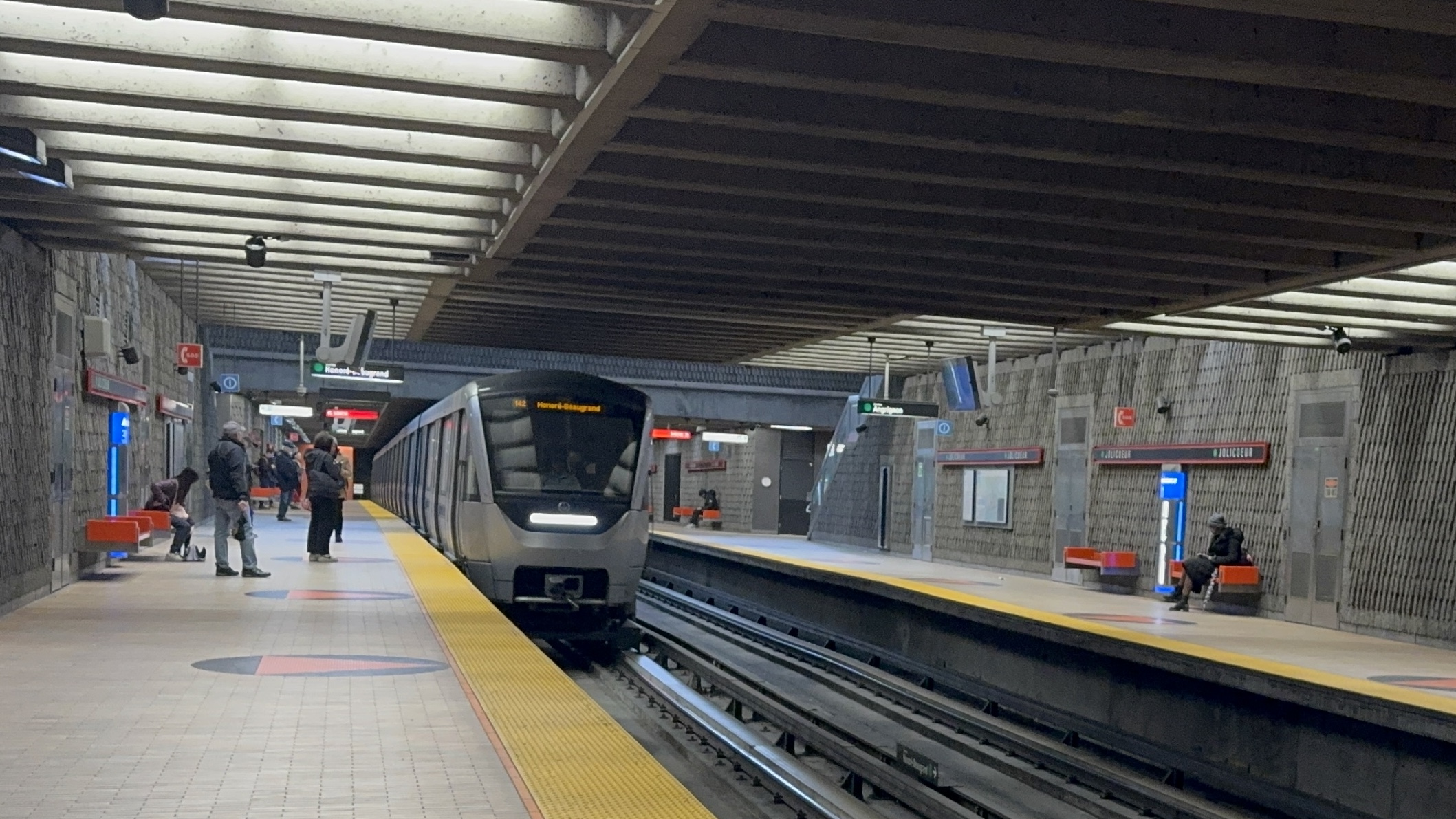
Heavy Metro features longer trains with 7 or more cars. In systems like Toronto, NYC and Chicago, the trains are Stainless steel, and run on rails, and feel very train like. The Montreal metro, with its AZUR trains probably feels a bit lighter for a Heavy Metro, but that is what it is. These trains feature operators, who actually drive the trains.
Heavy Rail
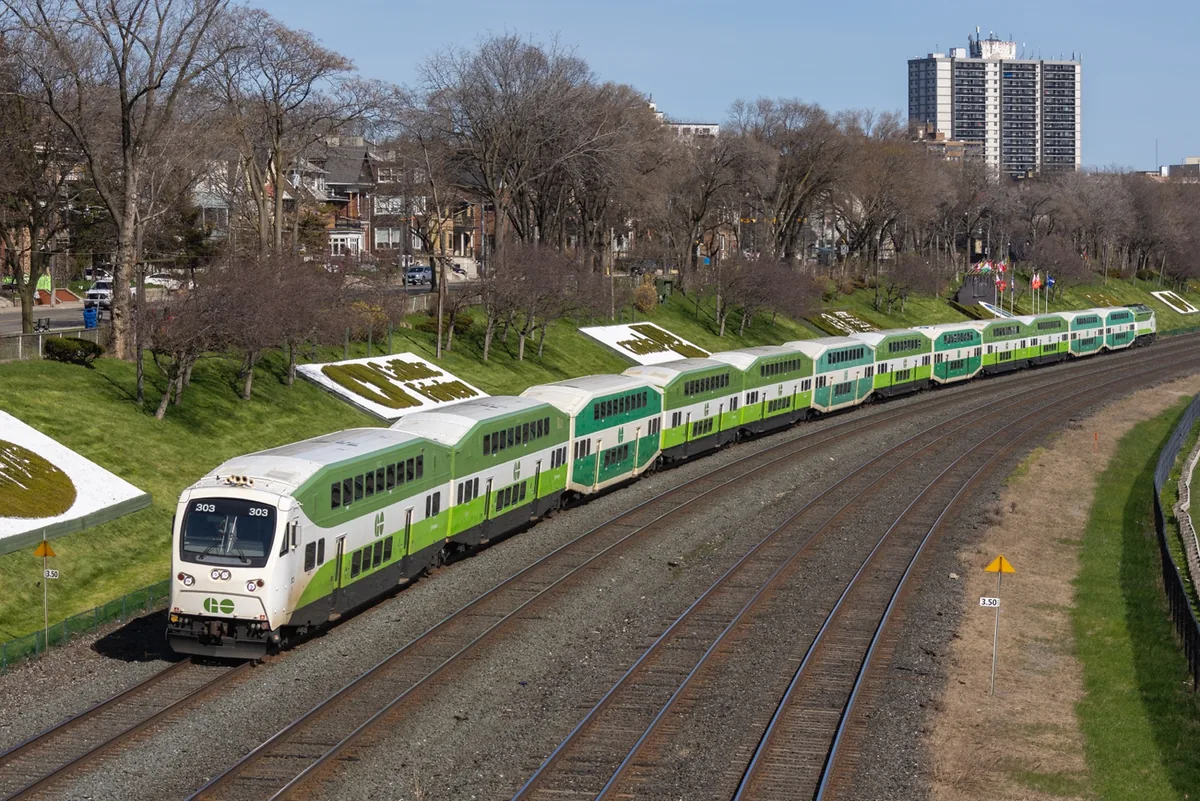
Montreal’s AMT and Torontos GO Transit are good examples of this service. these services operate with dedicated diesel electric locomotives, and Bi-Level coaches, and are built to Heavy rail collision standards.
Trains like the Stadler FLIRT are also considered Heavy Rail, though they are built more lightly, they meet FRA Crash Worthiness standards.