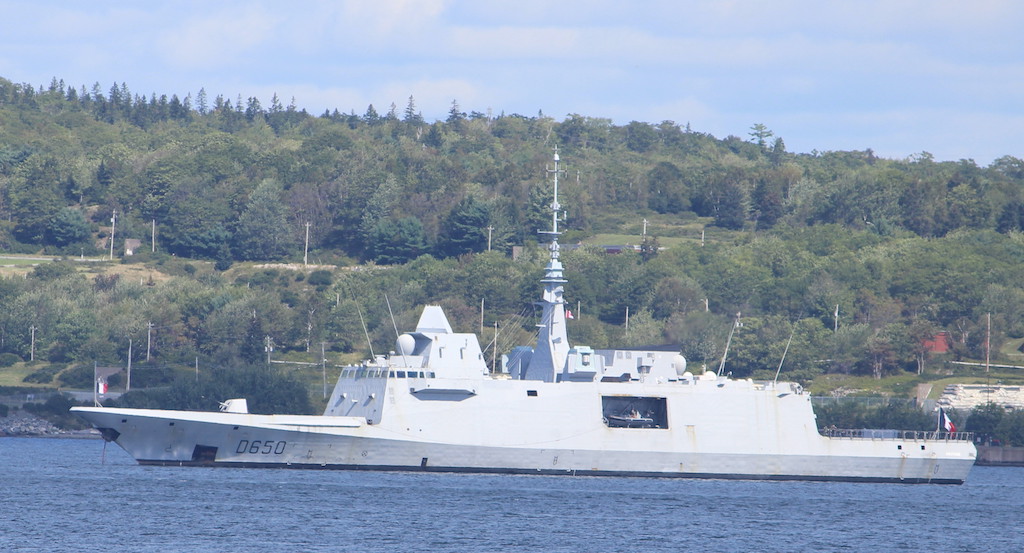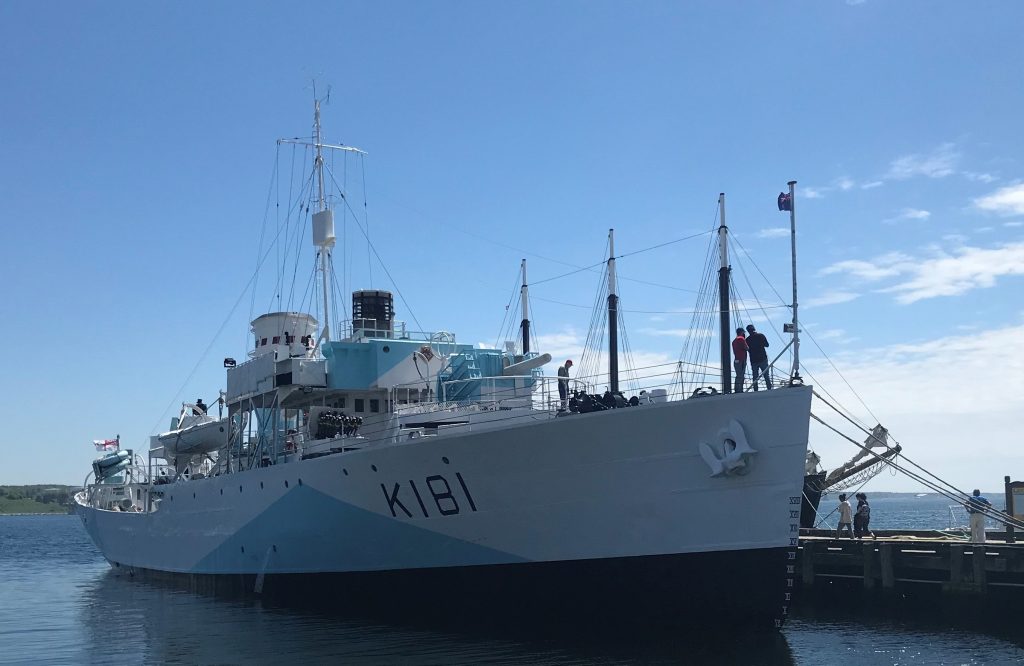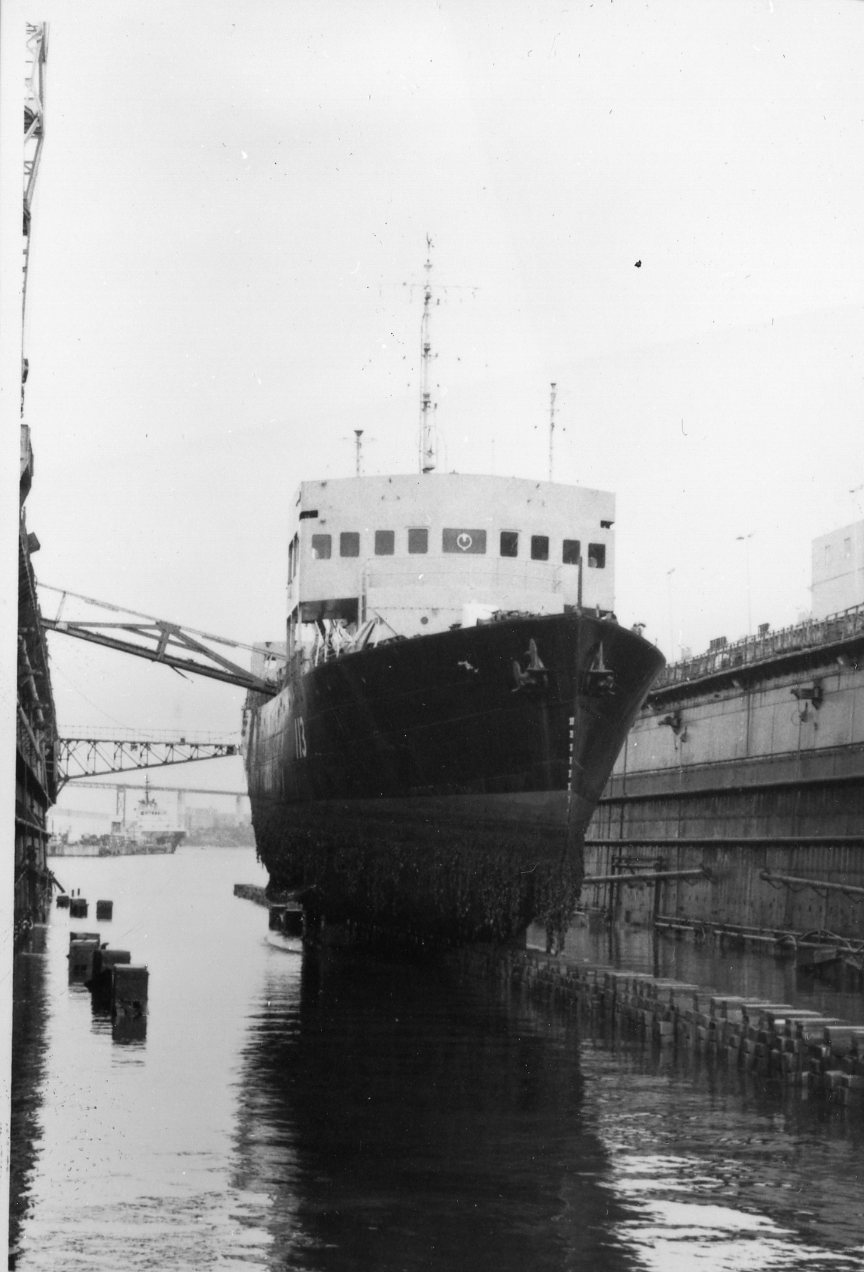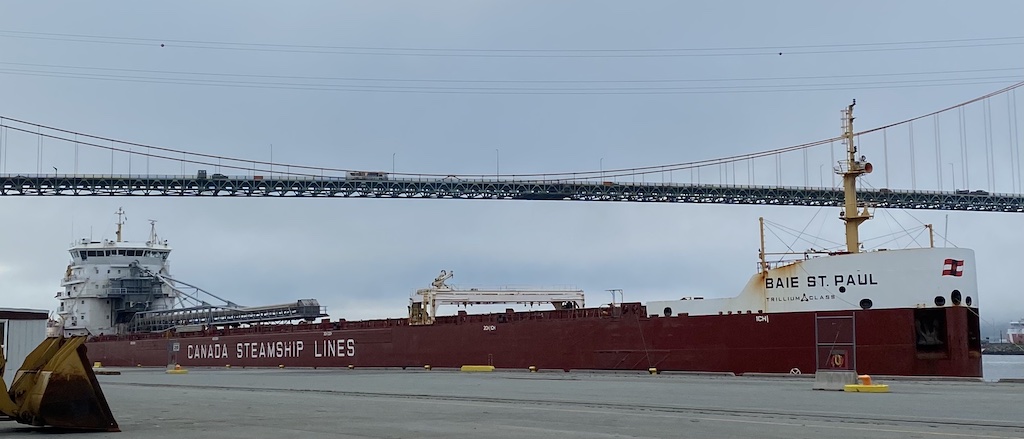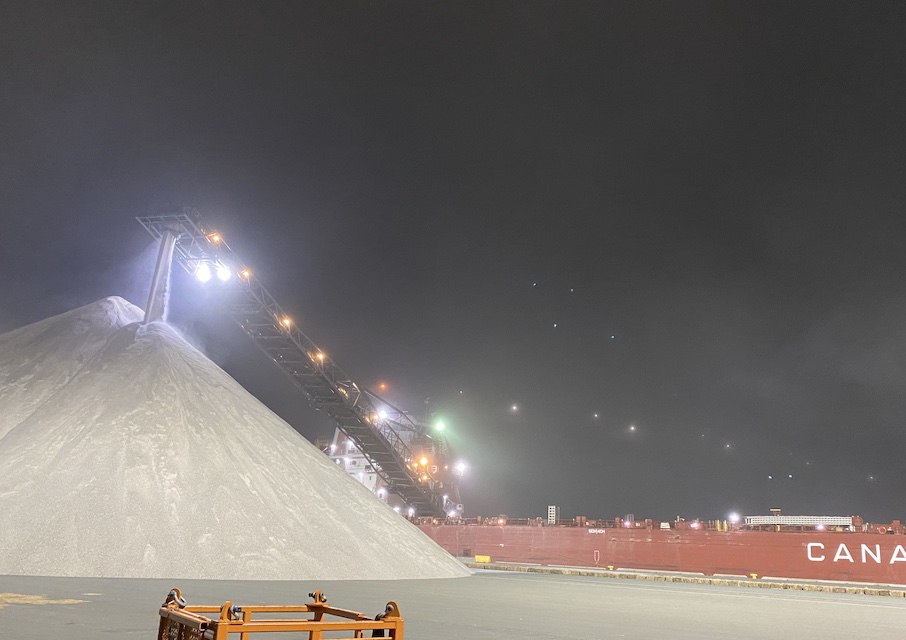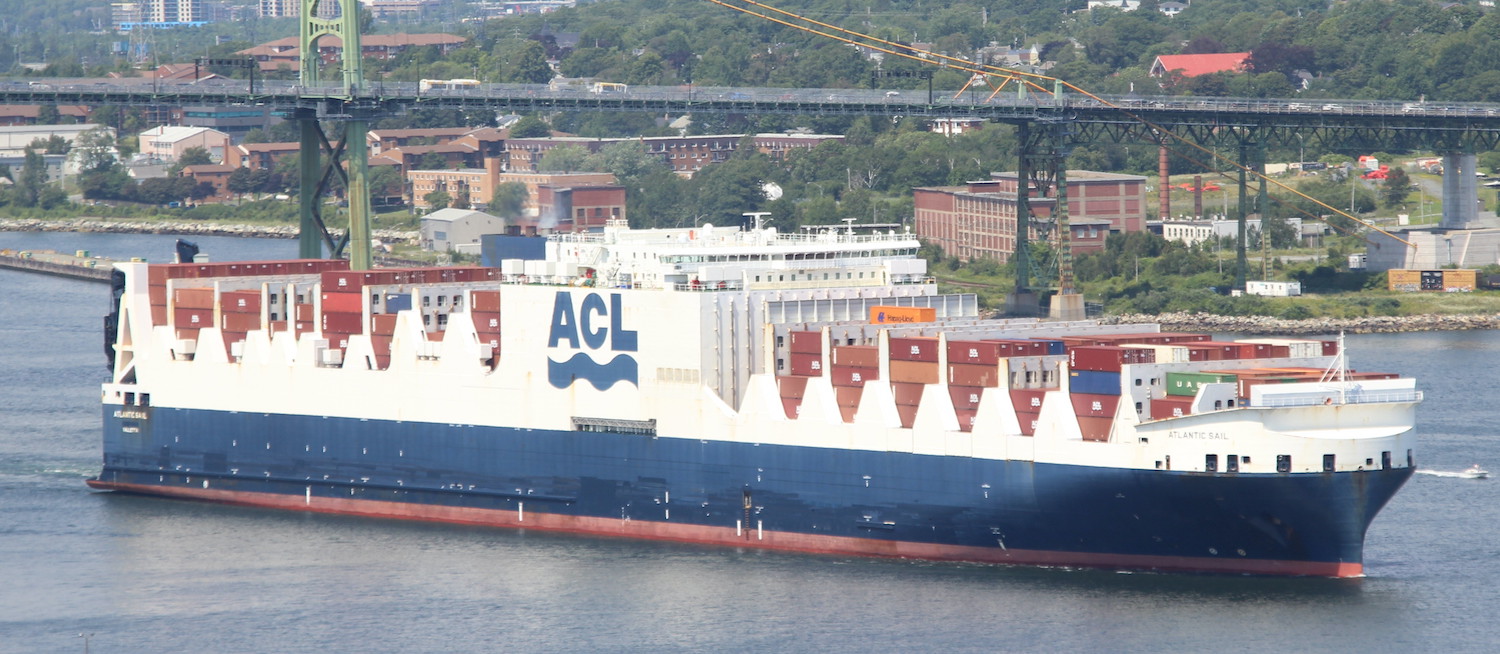
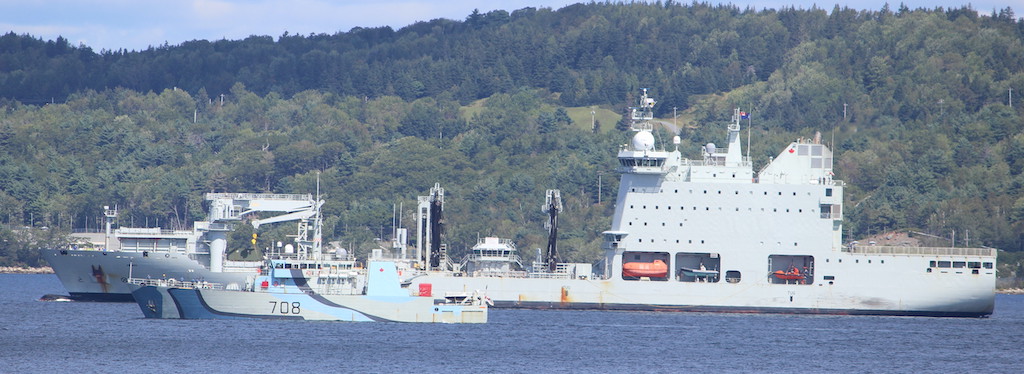
Baie St Paul arrived this afternoon from the Magdline islands with another load of salt. This is the third of 4 loads to deposited on Pier 9.


In today’s Herald, i discuss a recent survey conducted by the town of Bar Harbor on the impact of cruise tourism to the town. Most residents didn’t want to outright ban cruise ships, but were concerned about their number and size.
Halifax doesn’t seem to have much hate for cruise ships, but i did wake up to one email from a reader.
Read your article in today’s business The Chronicle Herald. I for one would like to see the end of cruise ships! They are and will be a menace to our ports and city ! Why does everything have to be about financial gain?
Reader email

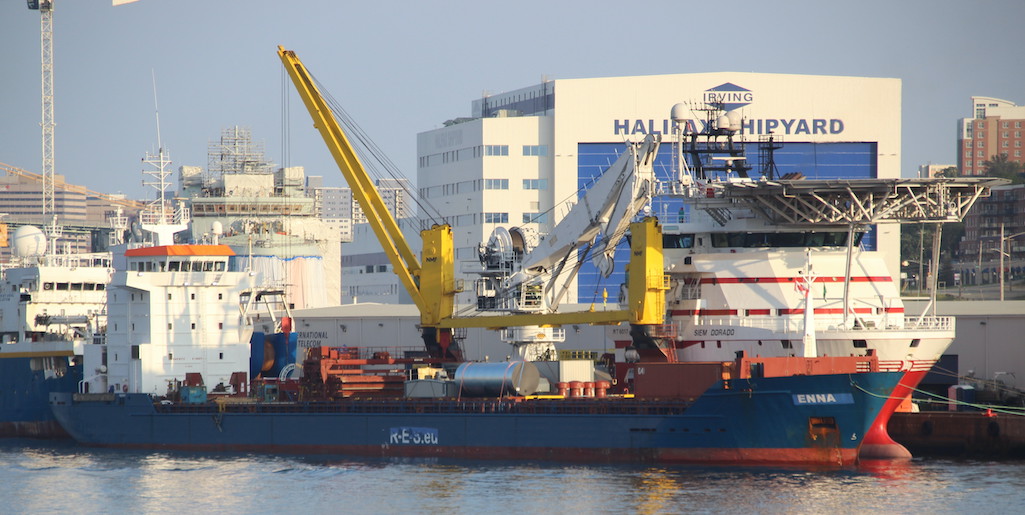
Siem Dorado is tied up at Pier 9. the Offshore construction vessel is at the cable terminal, and looks to be outfitting for a cable job. You can see the stern has added cable handling equipment.
There is no active coasting trade application open, so the job is not likely in Canadian Waters.
Siem is the Parent of Dartmouth based Secunda Marine.


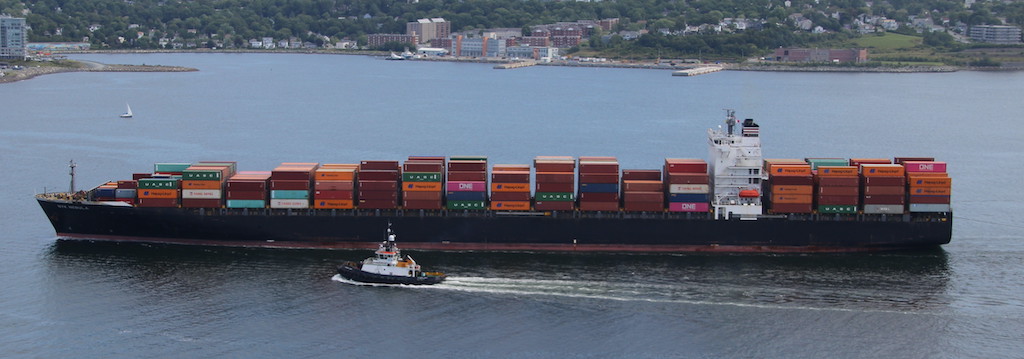
CMA-CGM Leo at Pier 41, with Pictor for Emskip at Pier 42. CMA-CGM Leo is rated at 11,200TEU.
The 16,020 TEU CMA-CGM Jules Verne visited on Saturday. Port congestion is the likely source for the Bunch up of ships, which normally call weekly.
MSC Anya is in the outer anchorage. and Oceanex Sanderling was working RO-RO at pier 36.

USCGC Escanaba and USCGC Richard Synder will be departing Tuesday at 10am, and will be taking part in Arctic Exercises with the Canadian Coast Guard and Navy.

HMCS Harry Dewolf will also be sailing, on the first leg of her circumnavigation of North America, which will see the ship participate in those exercises.
USCGC Escanaba and USCGC Richard Synder are due for a port visit tomorrow morning. they are scheduled to arrive at the pilot station between 8:30 and 9am.
USCGC Escanaba is based in Boston, and has visited Halifax At least twice since 2010. it is typical of the medium endurance cutters that Visit halifax.
USCGC Richard Synder is home-ported in Atlantic Beach, North Carolina, and is a Daeman Stan 4708, a sightly larger version of the CCGS Mid shore patrol boats.
I had forgotten that i did an overview post of the 2016 Olympic sailing, so here is the 2020 version. For Tokyo, Canada is sending a 9 person sailing team.
In fleet racing, sailboats start at the same time and sail around a course (usually marked by buoys) a predetermined number of times. Boats are then scored by the position in which they finish (ex. position 1 get 1 point, 2end two, etc.). The sailor with the least points at the end of competition wins the competition. A competition is made up of multiple races. at the end of the series, the top 10 boats will sail in the medal race.
Live streams can be found at https://www.cbc.ca/sports/olympics/summer/sailing/streaming-schedule . note this often the raw IOC feed with no commentary.
Sarah Douglas will compete in the Laser Radial. The Laser Radial has been the Women’s Olympic Dinghy since 2008. The Hull is identical to the laser, but the radial uses a smaller sail(5.7), shorter lower mast section and has a different cut of sail to that of the standard. It is optimally used by someone in the 120-160lbs range.
Oliver Bone and Jacob Saunders of the Royal NS Yacht Squadron will compete in the 470 2 person Dinghy. The 470 was designed in 1963 by the Frenchman André Cornu as a modern fibreglass planing dinghy to appeal to sailors of different sizes and ages. In 1969, the class was given international status and it has been an Olympic class since 1976. In 1988, the first Olympic women’s sailing event used the 470. The 470 (Four-Seventy) is a double-handed monohull planing dinghy with a centreboard, Bermuda rig, and is equipped with a spinnaker and trapeze.
Jacob Saunders competed in this class in 2016 with his brother.
Tom Ramshaw will sail in the Finn Heavy Dinghy.He Competed in this event in 2016 as as well.
The Finn dinghy is the men’s Heavyweight Dinghy at the Olympic games. Like the laser, it is a single-handed, cat-rigged boat. It was designed by Swedish canoe designer, Rickard Sarby, in 1949 for the 1952 Summer Olympics in Helsinki. Since the 1952 debut of the boat, the design has been in every summer Olympics, making it one of the most prolific Olympic sailboats as it is the longest serving dinghy in the Olympic Regatta. The fin Weighs 230lbs, is 14’3″ long, and carries 114sqft of Sail.
Nicola Girke in compteing in RS:X. in 2016 she was 1/2 of the mixed Nacra 17 team.
the RS:X is a windsurfer designed in 2004 by Jean Bouldoires & Robert Stroj.
Canada is also sending both a men’s and women’s team for the skiff event. Ali ten Hove and Mariah Millen sail in the women’s 49er FX, and William Jones and Evan DePaul in men’s 49er.
49er FX is a two-handed skiff-type high-performance sailing dinghy. The 49er was designed by Julian Bethwaite and has been in every olympics since its debut in the Sydney Olympics of 2000. The FX uses a smaller rig then the standard 49er, and is the Womans Olympic Class Skiff. The 49er’s name comes from its hull length of 4.99 metres. It weighs 207 lbs.