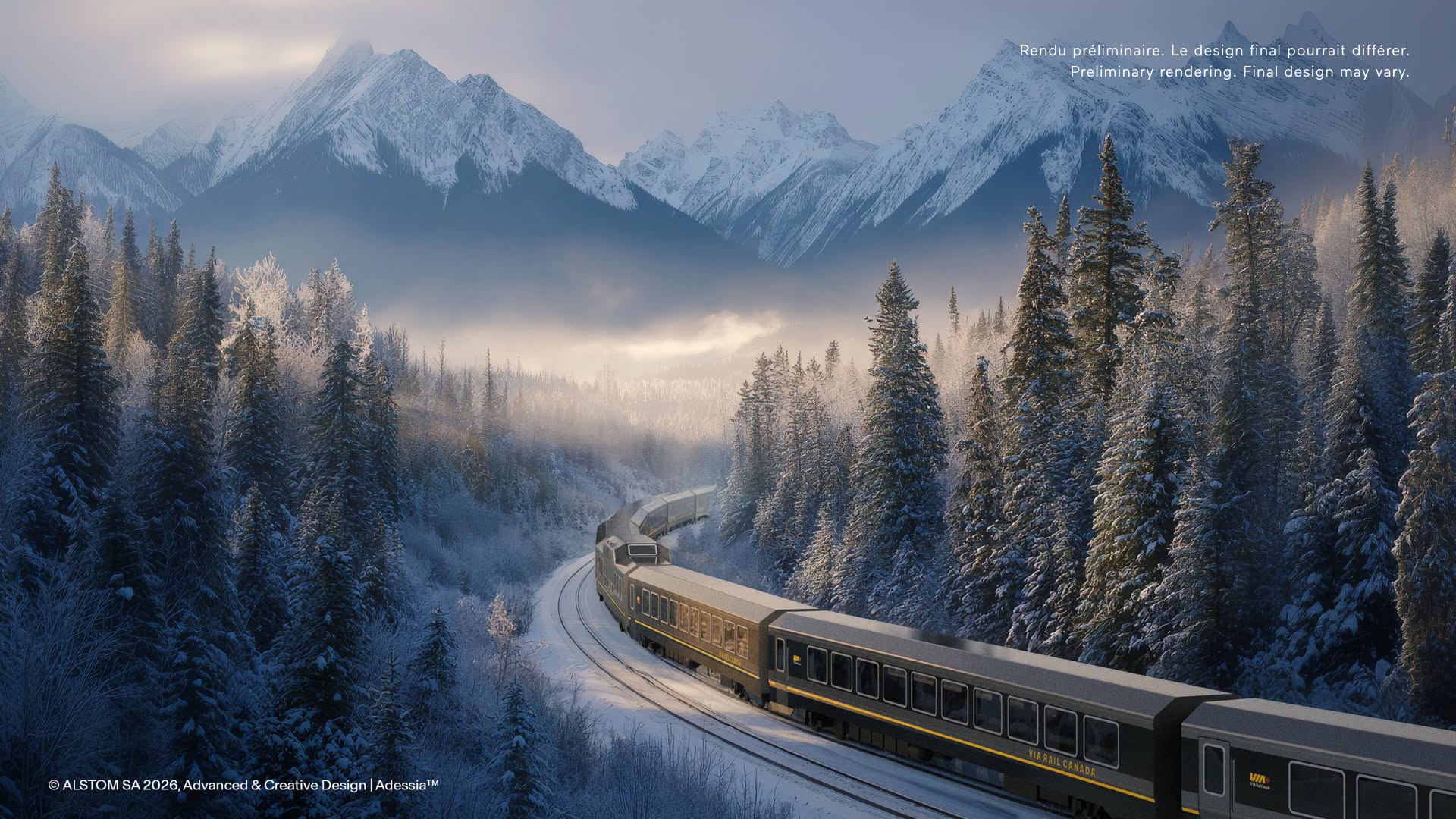
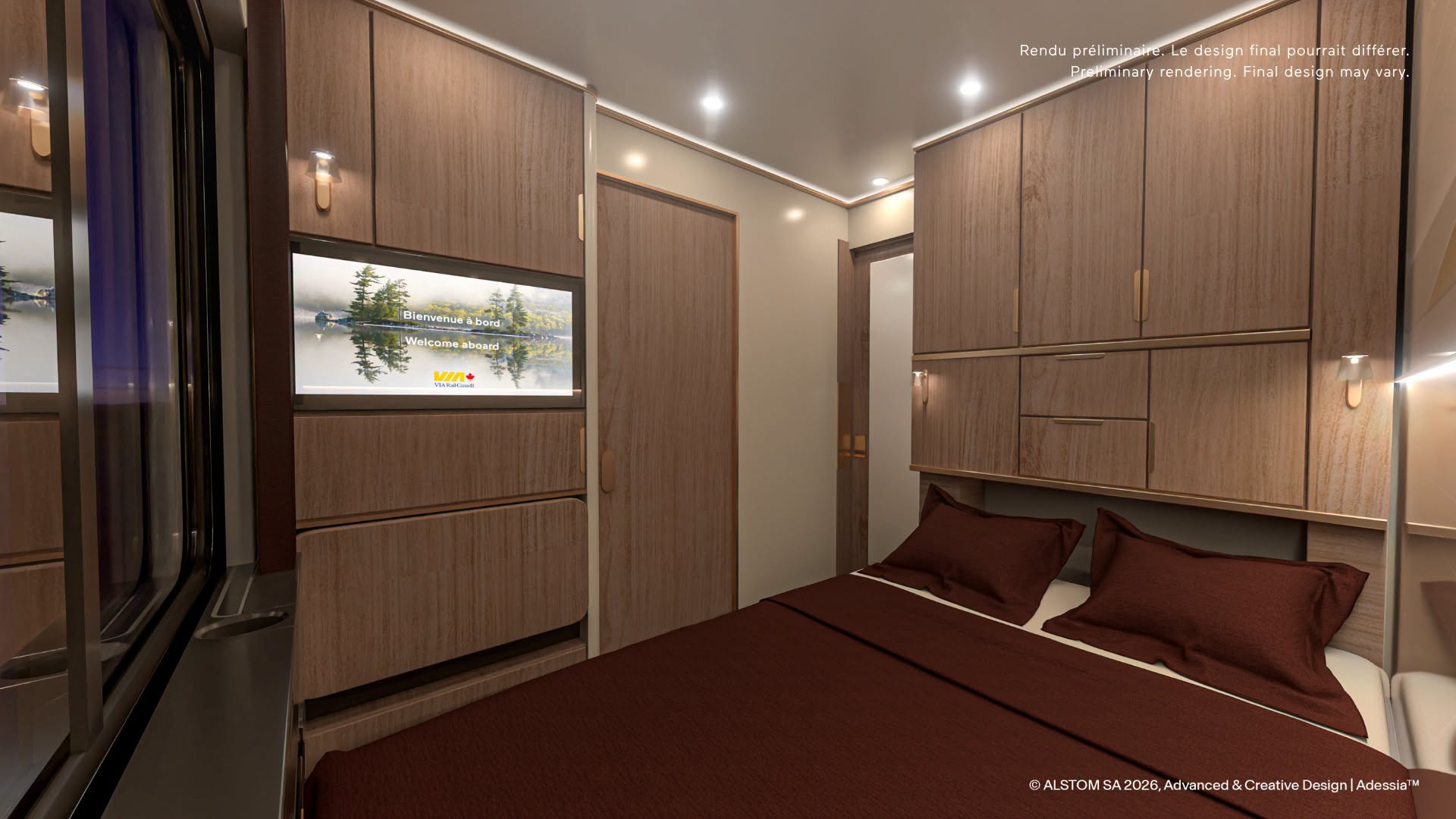
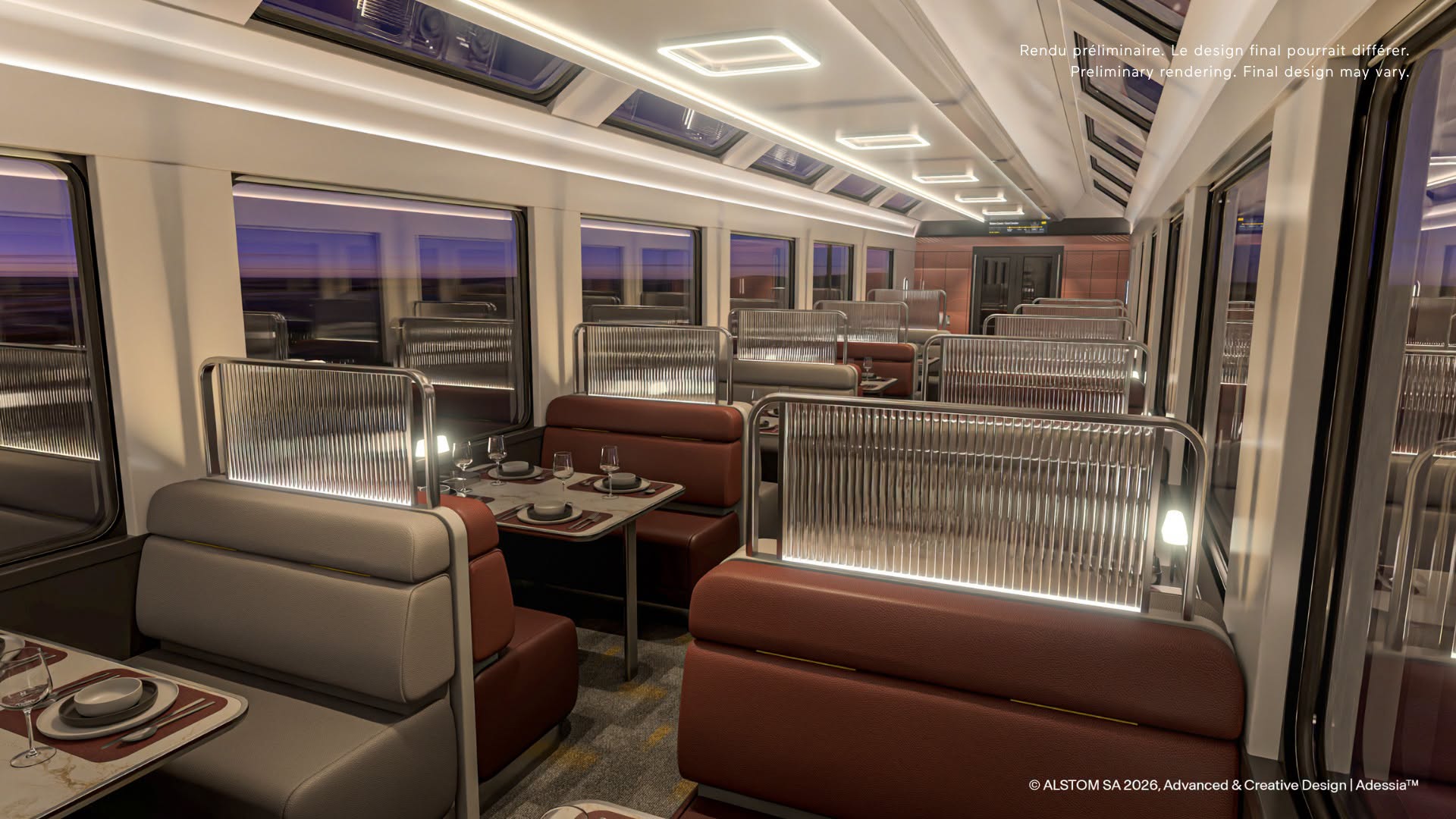
The feds announced today they are spending $4.7 billion for VIA Rail to acquire and maintain 313 new passenger rail cars from Alstom Canada for its long-distance, regional and remote services. These cars will be manufactured in Thunder Bay, Ontario, and La Pocatière, Québec, with design and engineering taking place in Saint-Bruno-de-Montarville, Québec.
Sleeper cars
78
Coach cars
58
Panorama cars
38
Baggage cars
29
Accessible sleeper cars
26
Dome cars
25
Dining cars
20
Prestige sleeper cars
20
Berth cars
19
Total
313
The new cars will be used on the Ocean, Canadian, and 6 other non-corridor routes. the 313 cars and new locomotives previously announced will enable service expansion The first passenger cars are expected to enter service in 2031, with full deployment expected by 2035.
The Feds announced a new Stadler Rail Facility in Montreal this morning, to build 36 new long distance locomotives for VIA Rail. Additional early models will be built by Stadler in Spain. These locomotives will be used on the Non-Corridor routes, including the Ocean, Canadian, Prince Rupert and Churchill trains.
The renderings bear a resemblance to the EMD F125, which was built from 2015-2021 for Metrolink in California. EMD is now Progress Rail, and is owned by Caterpillar. The F125 was built with design assistance from Vossloh Rail Vehicles of Spain, which was acquired by Stadler in part due to their ability to build licensed designs from Progress Tail. The F125 is a Eurolite variant, Which are powered by a Cat diesel.
The new locomotives are hybrid, and feature ABB Battery technology that is also made in Quebec. Diesel locomotives are generally hybrid now, with the diesel motor turning a generator which delivers power to electric traction motors to drive the train. Through a process called dynamic breaking, the traction motors can become generators, and assist in slowing the train. the power generated is dissipated as heat in the large flared blister you can see on the top of Locomotives. The addition of a battery means that waste energy can be captured and stored and used to improve power efficiency on the train.
Stadler Manufactures thier FLRT series of trains in Utah for North American Sales. Ottawa’s O-Train Line 2 runs with 7 Stadler FLRT Train sets. Stadler trains also operate in the Swiss Alps (Bernina Express, Glacier Express, and others), Norway and kazakstan. Stadler also built dome cars for the Rockey Mountaineer, which means they have a good chance of supplying the long distance train sets for VIA Rail.
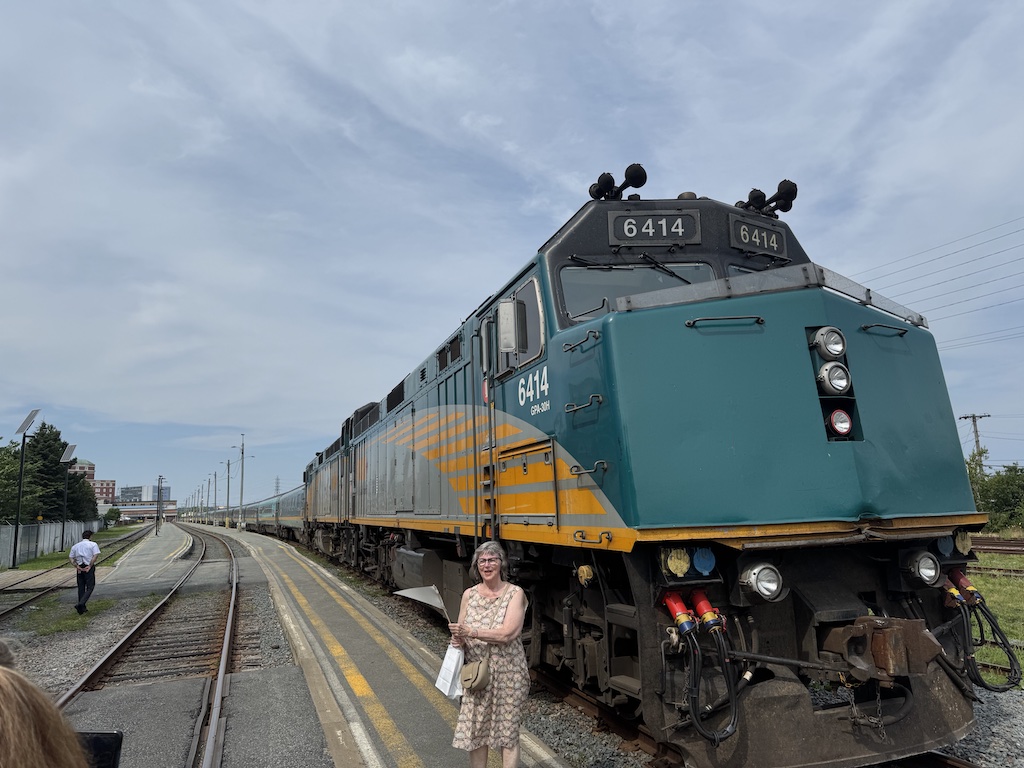
VIA Recently put Siemens Charger Locomotives and Venture trainsets into service on the corridor to replace the GE P42DC locomotives and mix of LRC, REN and BUDD coaches in use, all of which are past their service lives.
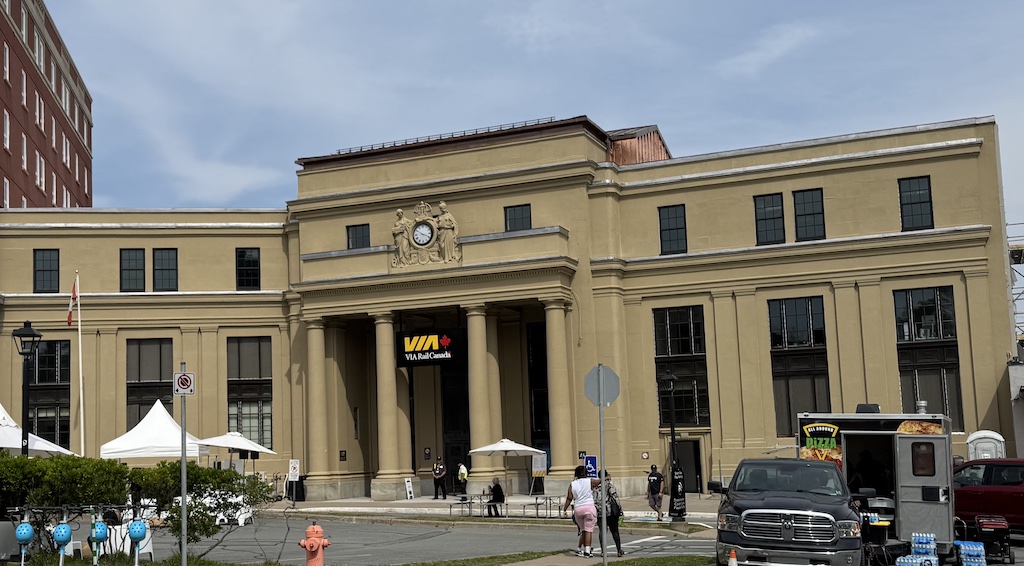
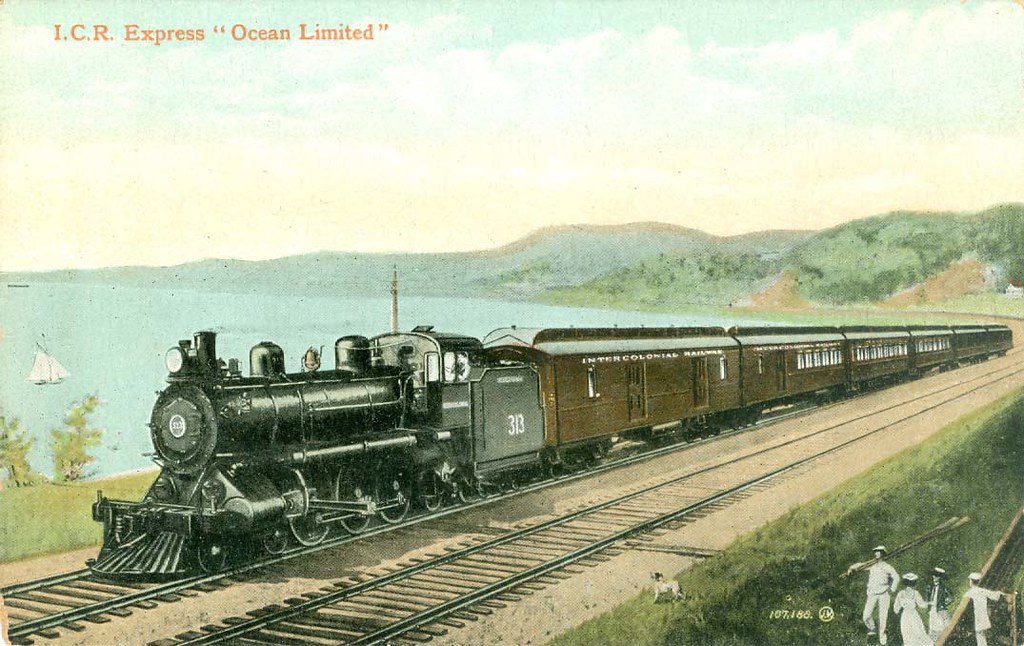
Today VIA Rail hosted in open house to celebrate the 120th year of operation of the Ocean, Making it the Oldest named train in Canada. The train first appeared on Intercolonial railway schedules connecting Halifax to Montreal on July 03 1904.
The event also marked the completion of restoration work on Halifax Station. Of note is the return of the clock to the sculpture above the main entrance.
The Ocean Limited began as a summer only train, and its operation was taken over by CN when the ICR was folded into Canadian National in 1918. It Remained, when CN spun off its passenger operations to VIA Rail in 1978.
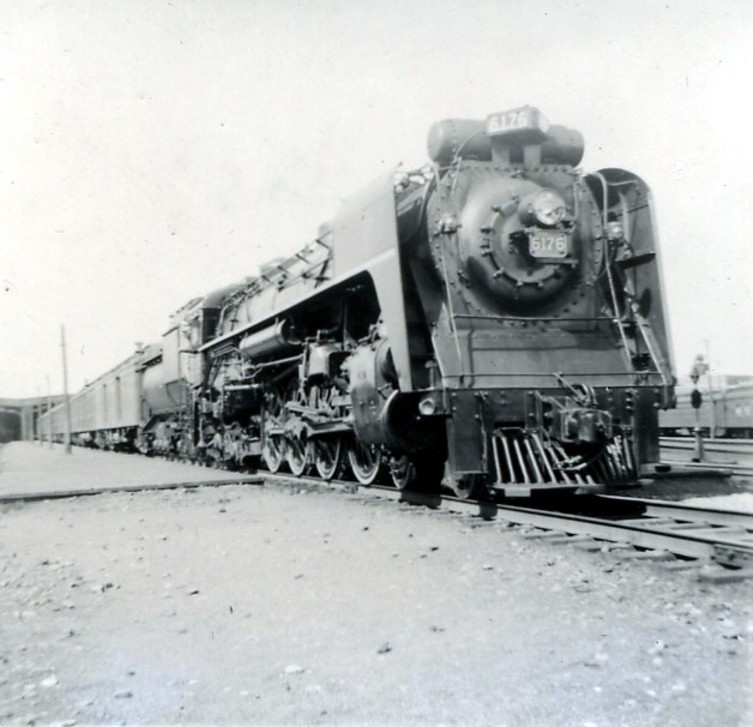
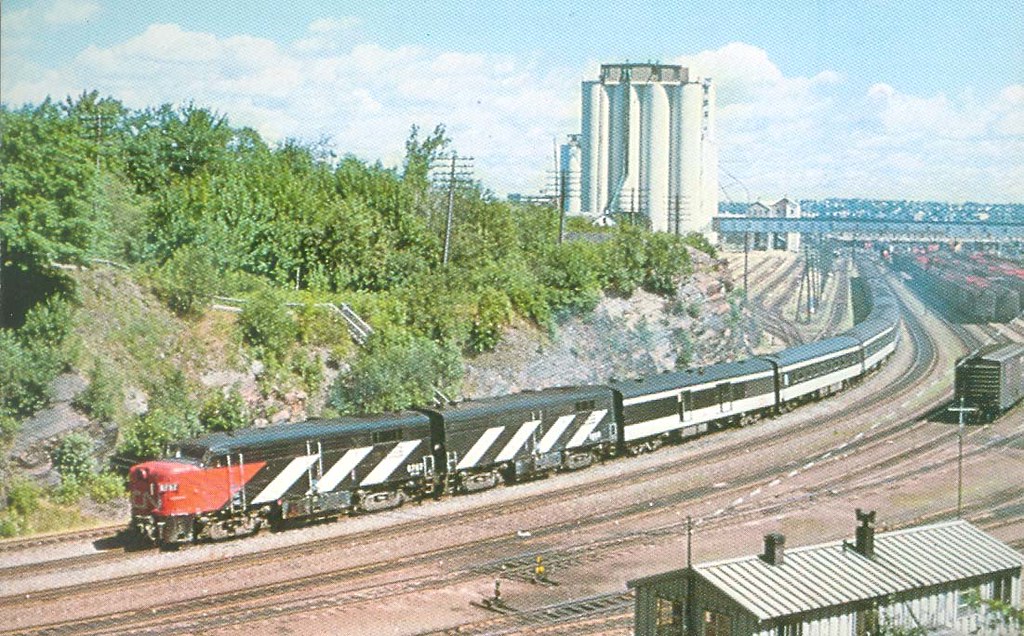
The Ocean in 1948
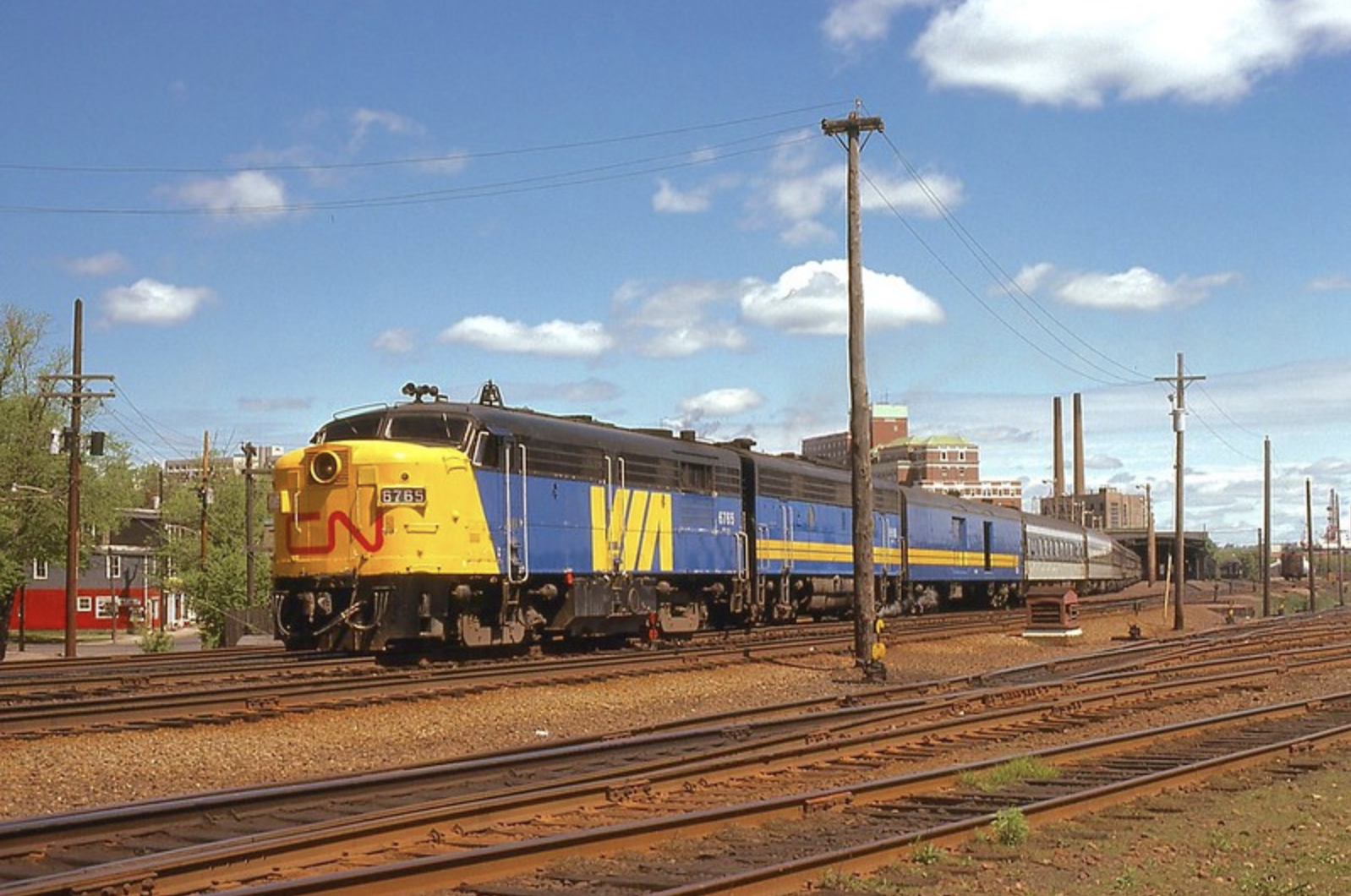
The Ocean once ran as a daily train, going down to 3 days a week from 1990-94, it regained a 6 day/week schedule until 2012. it now runs three times per week with a mix of 2000’s Renaissance equipment, and 1950’s Budd stainless steel cars.
The Renaissance equipment was originally built for the the NightStar – a proposed nighttime sleeper train to complement the Eurostar through the Channel Tunnel – the train was cancelled before the equipment was finished, and VIA bought it all. Despite being the newest equipment in the fleet, prior to the entry of the Siemens Venture/Charger sets, The Ren equipment with their European heritage have proven problematic, and they are primed for replacement.
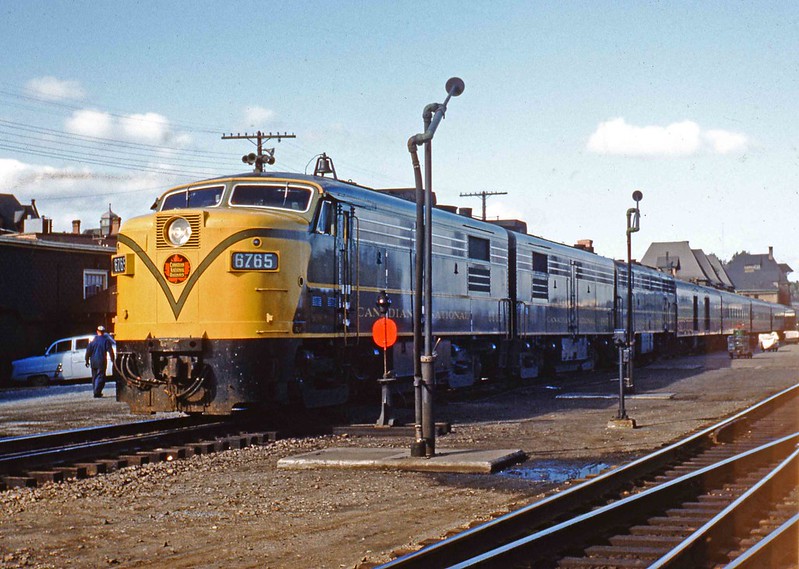
The Ocean, 1958
The much older Budd equipment is finally reaching the end of its service life. The fleet was purchased by Canadian Pacific for launch of The Canadian in 1955. VIA bought additional Budd cars second hand from other railways and converted them for service.
Prior to the Ren equipment, CN/VIA ran the ocean with a mix of Pullman smooth side cars.
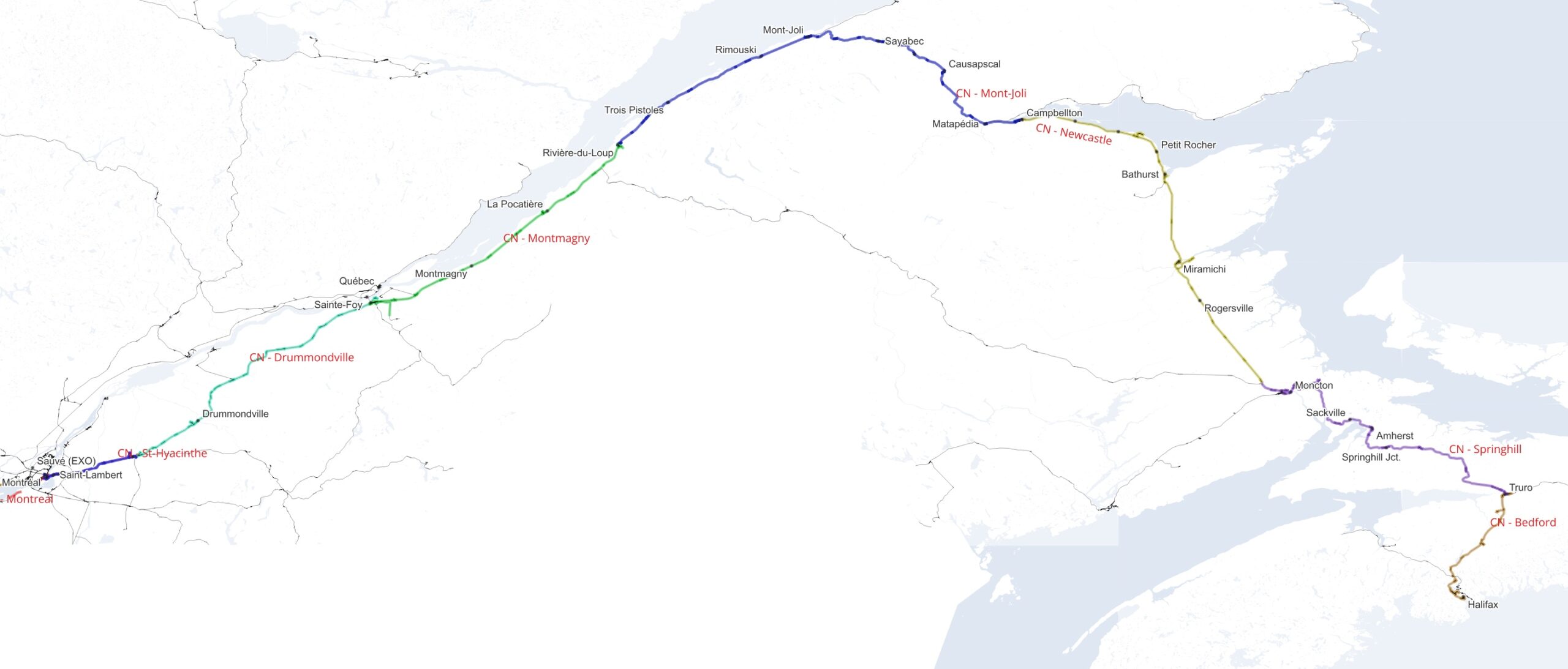
In 1958 the Ocean departed Halifax at 11:45am, and arrived in Montreal at 7:30am the next day. The train currently departs Halifax at 11:30, and arrives at 9:53. and runs 2 hours and 20 minutes slower. the Departure from Halifax was moved up in June 2024, from 13:00 to better accommodate slow orders on route.
Screenshot
A 2016 employee timetable showed maximum speeds of 30 mph for passenger trains on a 59.2-mile section of the Newcastle Subdivision from milepost 48.4, near Rogersville, N.B., to MP 107.6, near Nepisguit, N.B requiring 1:58 to cover that distance. at 90mph, that distance takes 40 minutes, of course, since 2016, track conditions have worsened,
I have taken the ocean several times in both directions. the most recent was in May 2024, when it served as the first leg on my trip across the country by train.